“One of the reasons that we still survive,” said Judi Danforth, “is that we keep looking forward. You can't stay in the past. You have to reinvent and hope you're doing something that's not going to compromise the brand and who you are, your values as a company.”
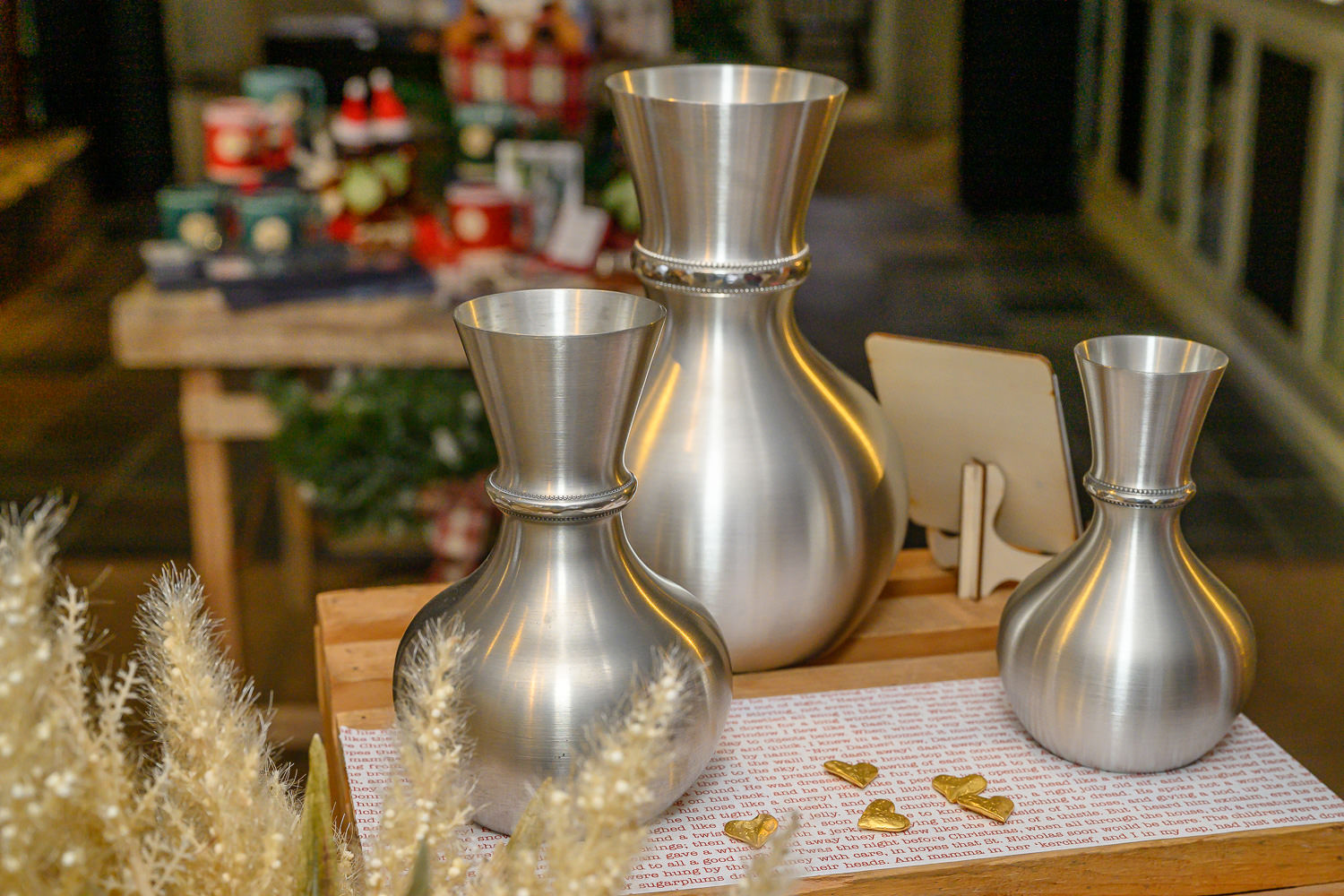
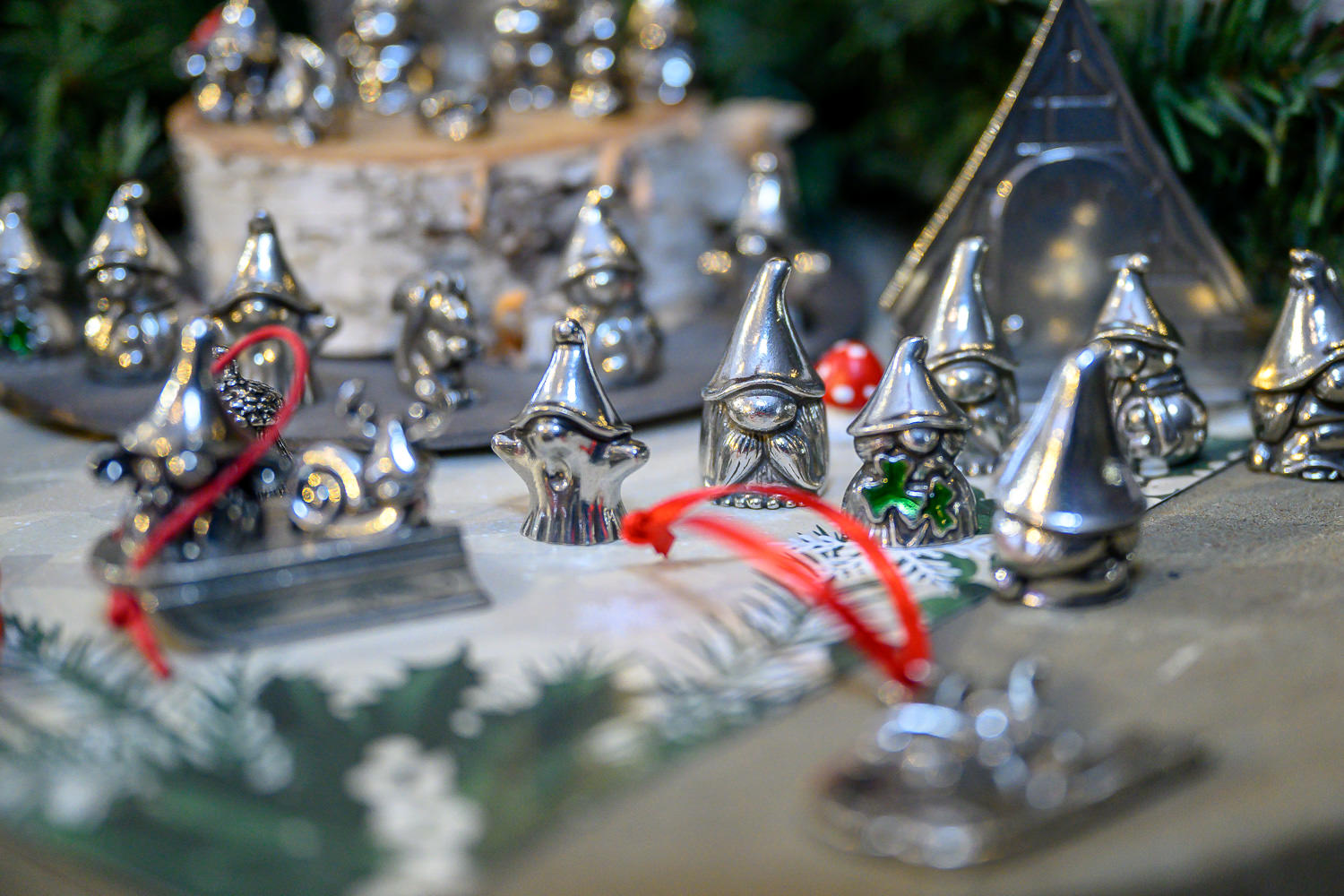
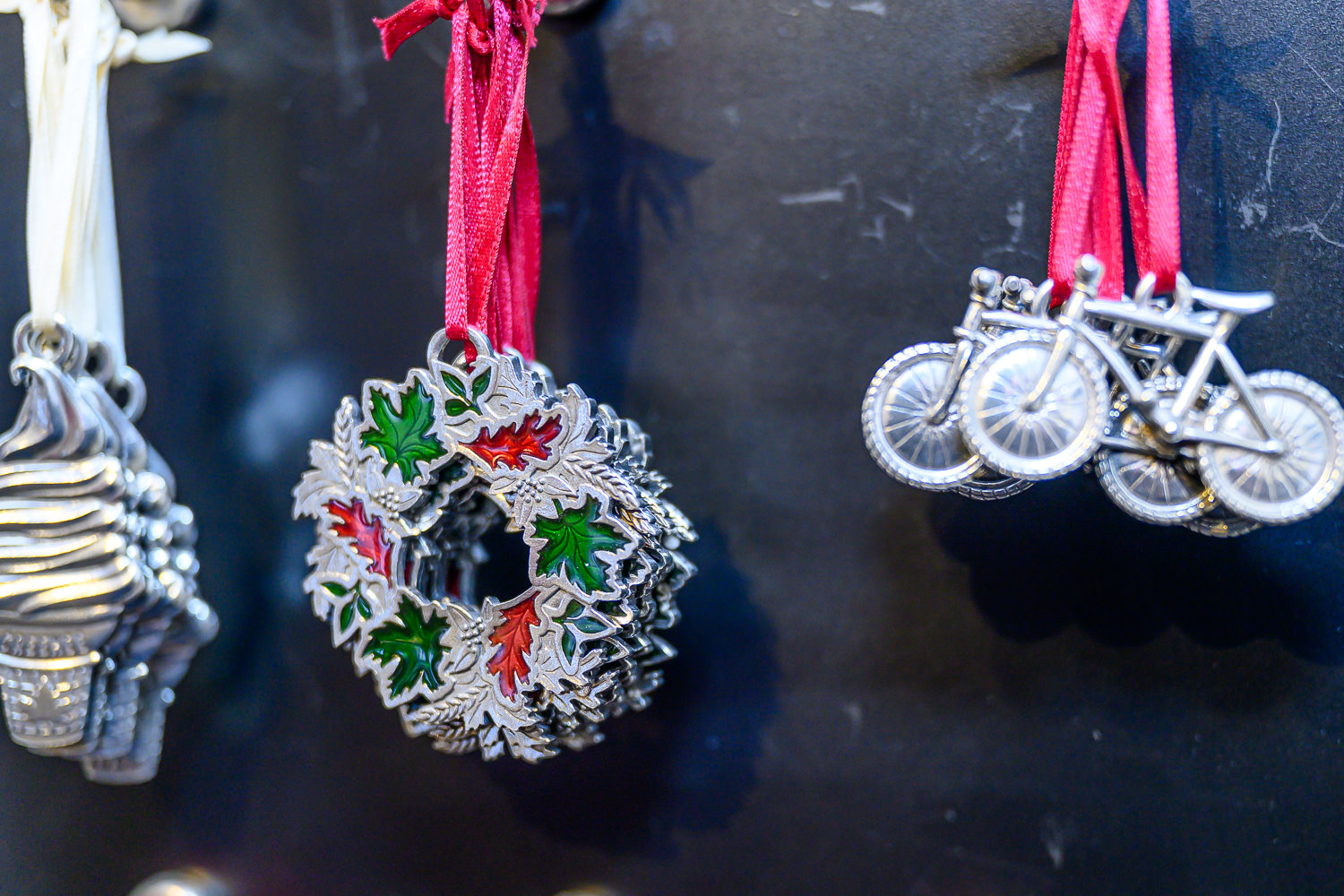
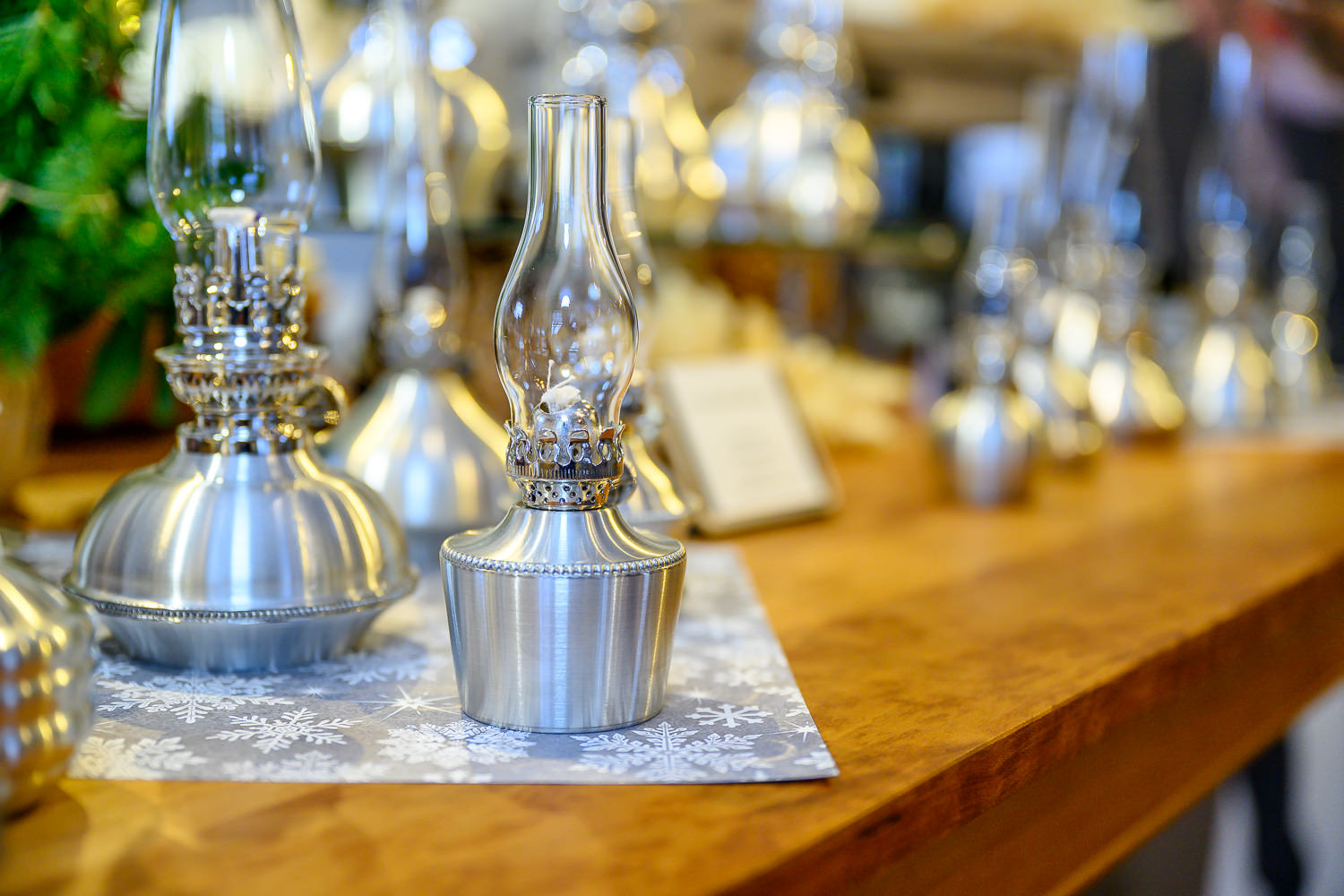
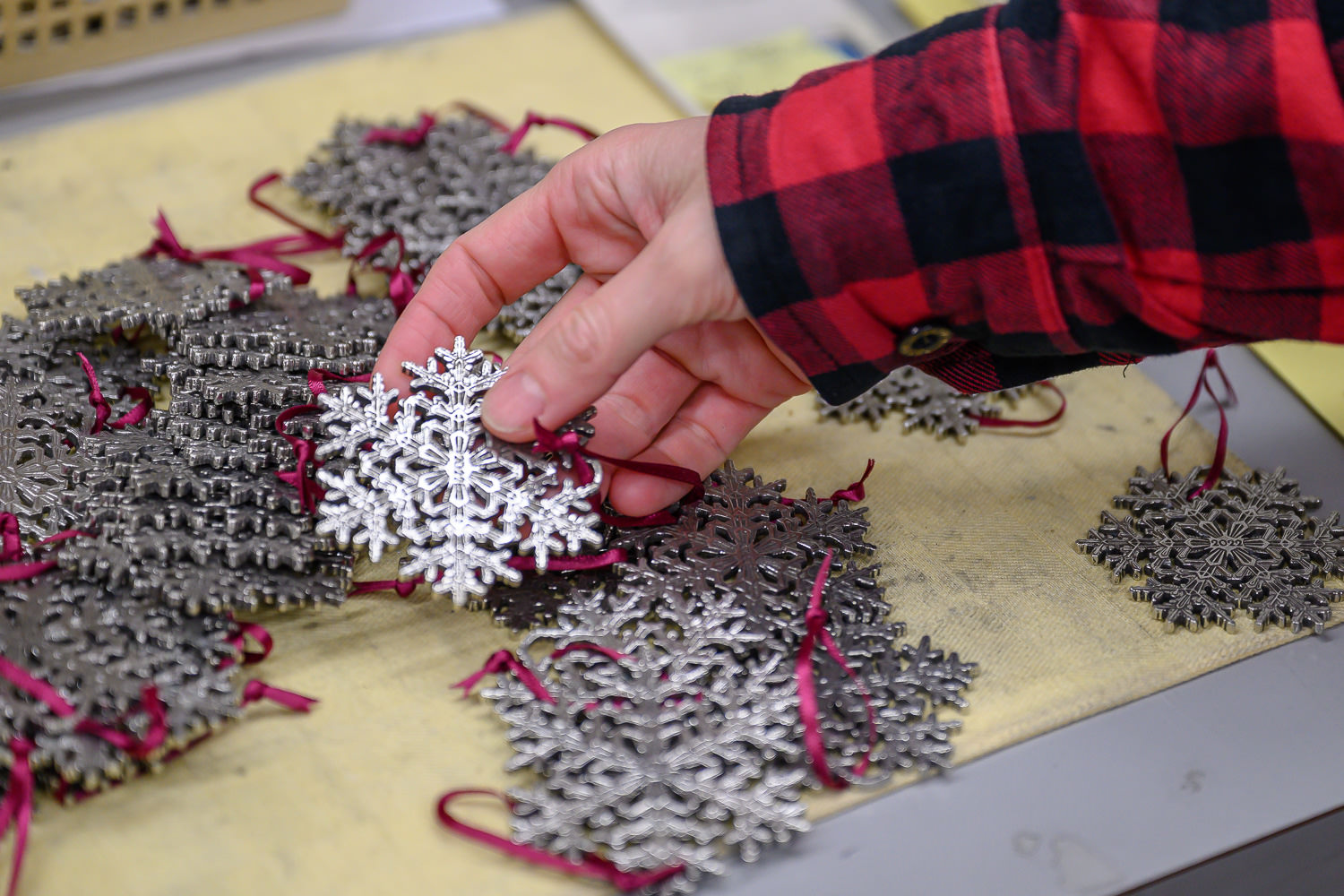
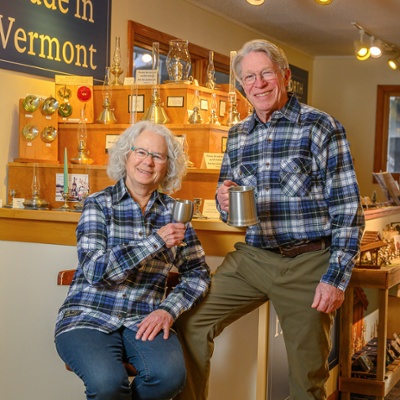
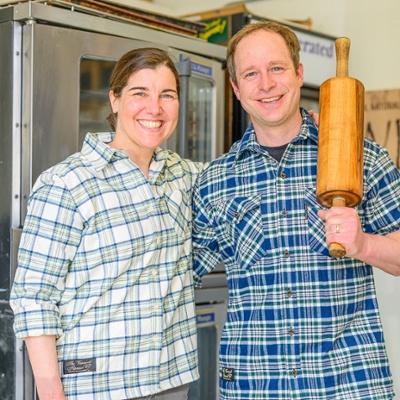
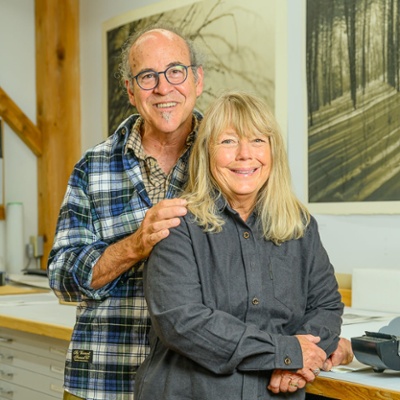
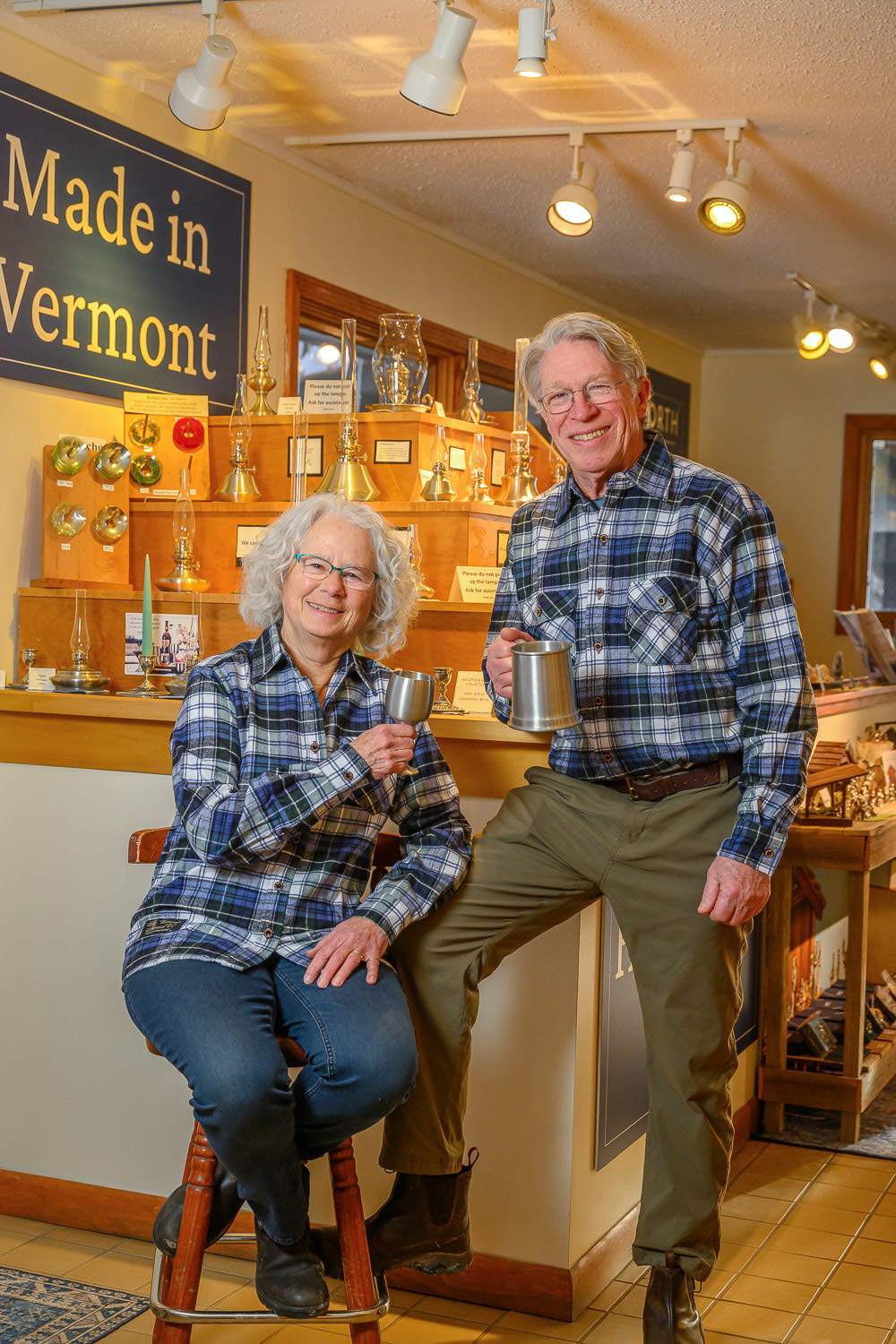
Judi is co-founder, with her husband Fred, of Danforth Pewter, based in Middlebury. Founded in 1975, the company makes fine pewter holloware (vases, oil lamps, bowls, cups, candlesticks, etc.) as well as cast pewter items (ornaments, jewelry, figurines).
The company has definitely reinvented itself over its 50-year history, yet it was founded on serendipity, as Fred put it: “the serendipity of discovering our shared interest in making things with our hands, and the fact that my ancestors were pewter smiths – that sort of magic elixir is what put us together and put our business on track.”
Fred grew up in Ohio, Judi (pronounced JOOD-eye) in New Hampshire, and they met in Middlebury. Judi had trained as a silversmith, then fell in love with pewter. That led to training in Penland, NC before she landed in Middlebury, wanting to be somewhere in Vermont where there were young, creative types like her. There she met Fred, who was studying at the college while dreaming of going into fine woodworking.
Judi, by now well steeped in all things pewter, asked Fred if he came from the distinguished Danforth family of pewter smiths, who had put their mark on pewter from before the American Revolution until 1875. He replied that he was a direct descendent. “The last Danforth pewterer was Thomas Danforth Boardman,” Fred said, “and he died with his boots on in 1875, still making stuff. And the first one started in Connecticut in 1755. It's a wonderful story. But we knew right from the beginning that we didn't want to make reproductions. We wanted to make our own way.”
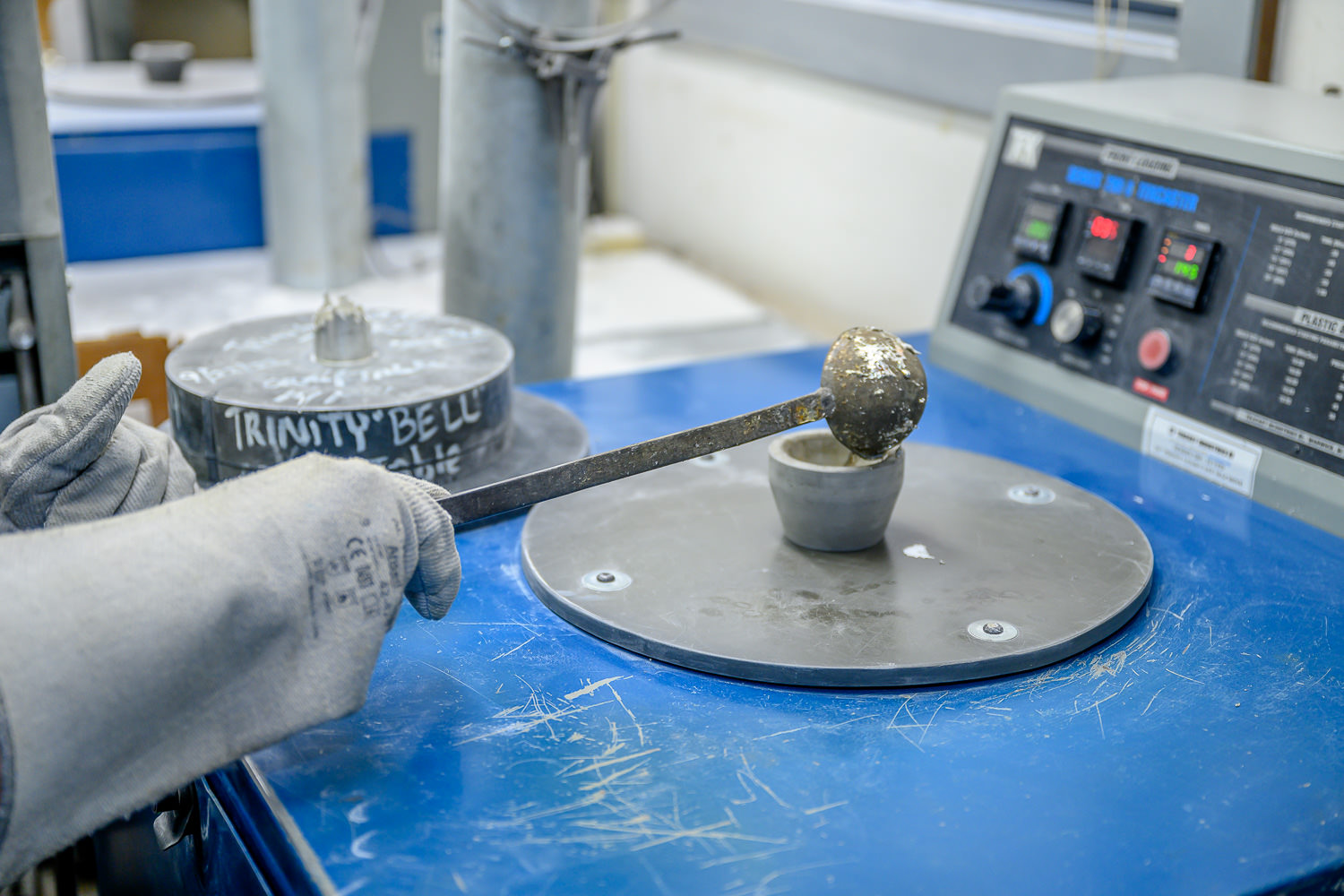
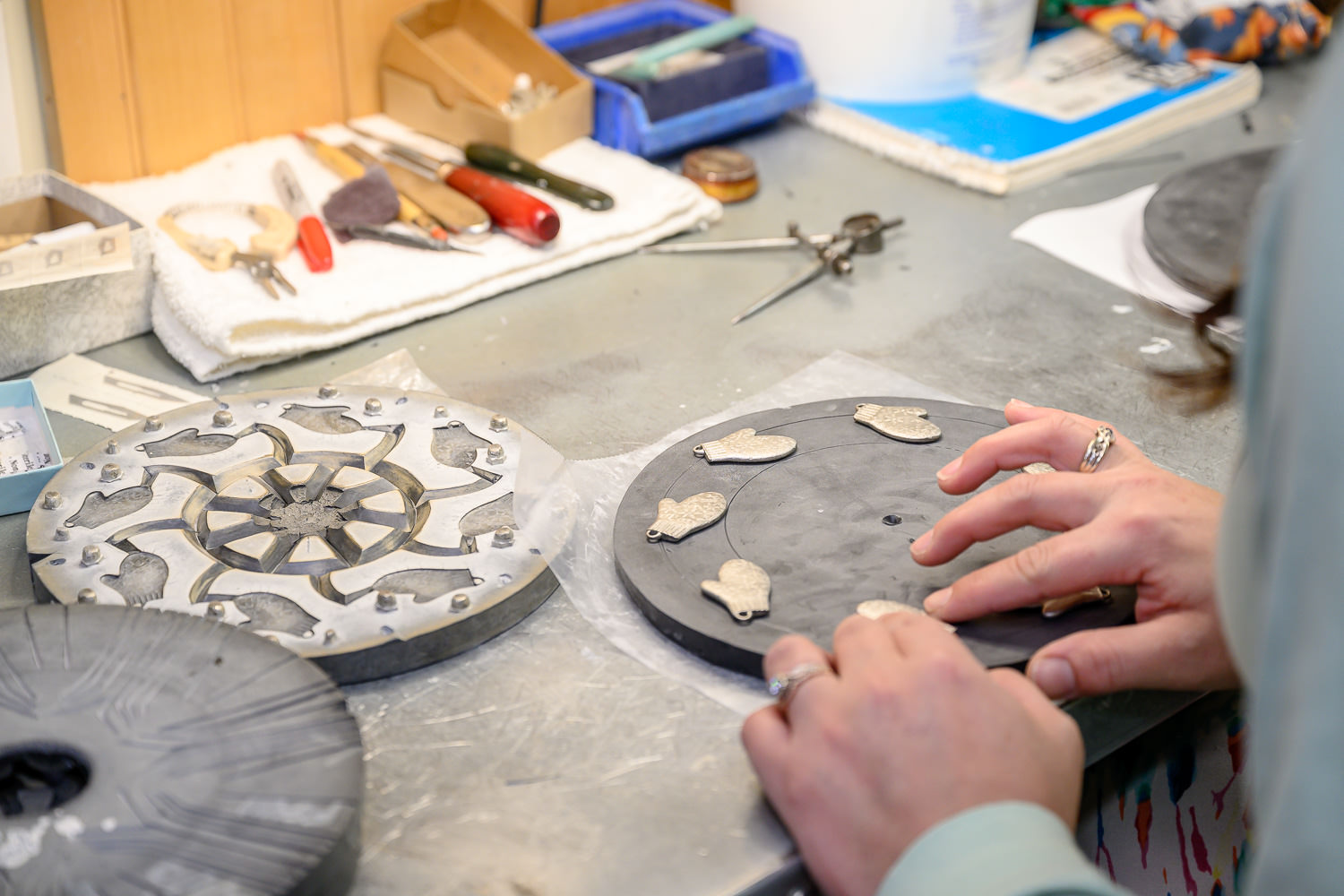
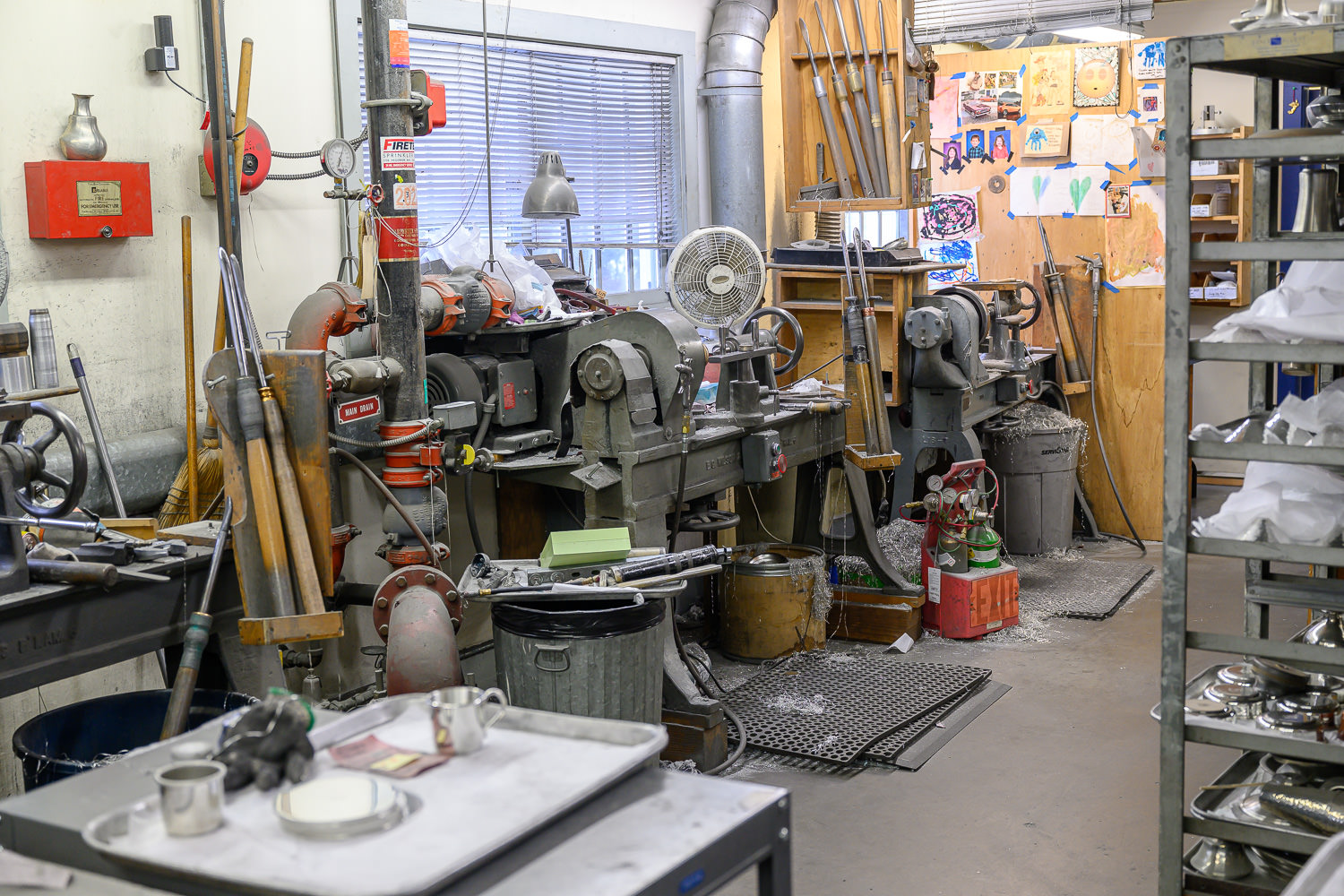
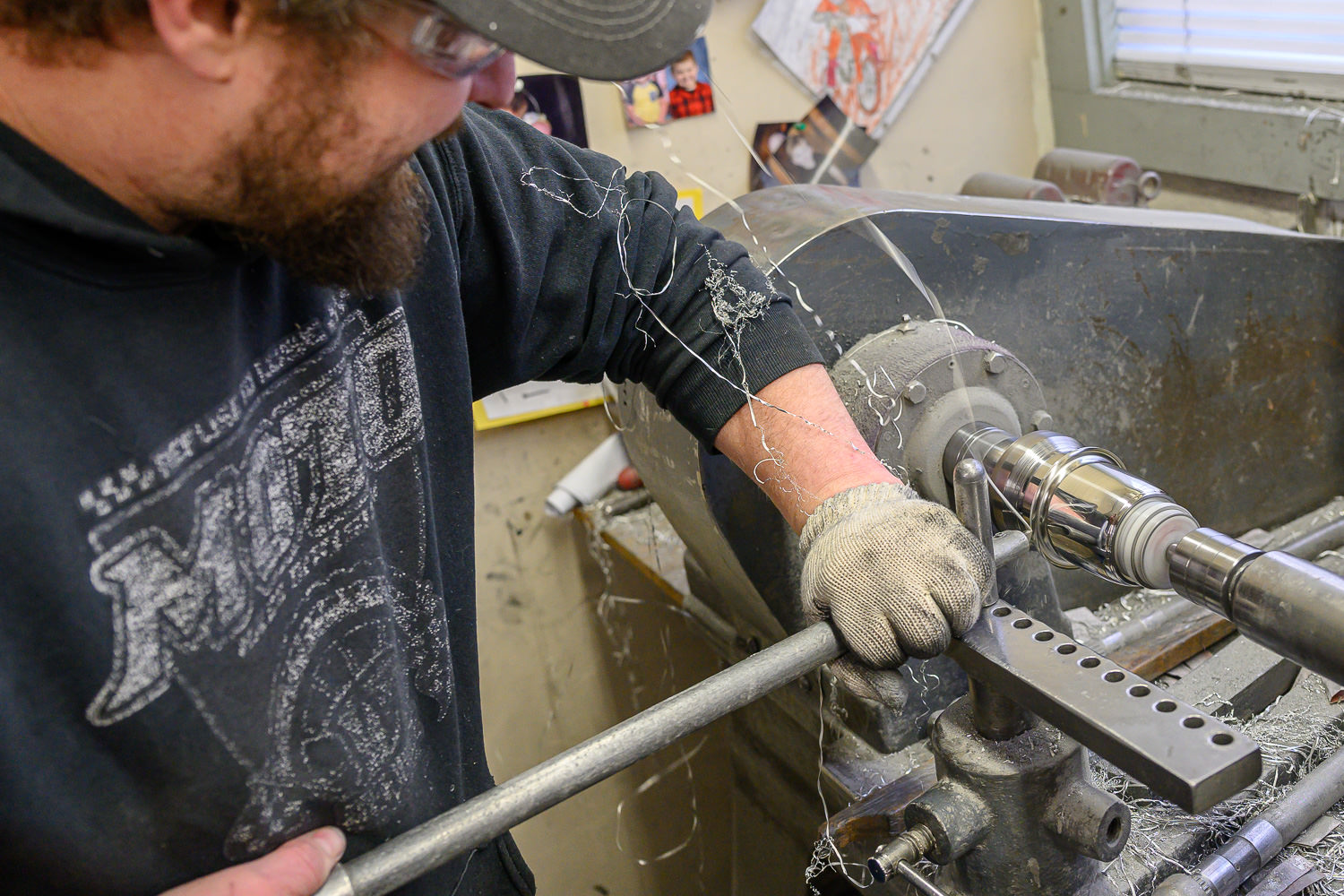
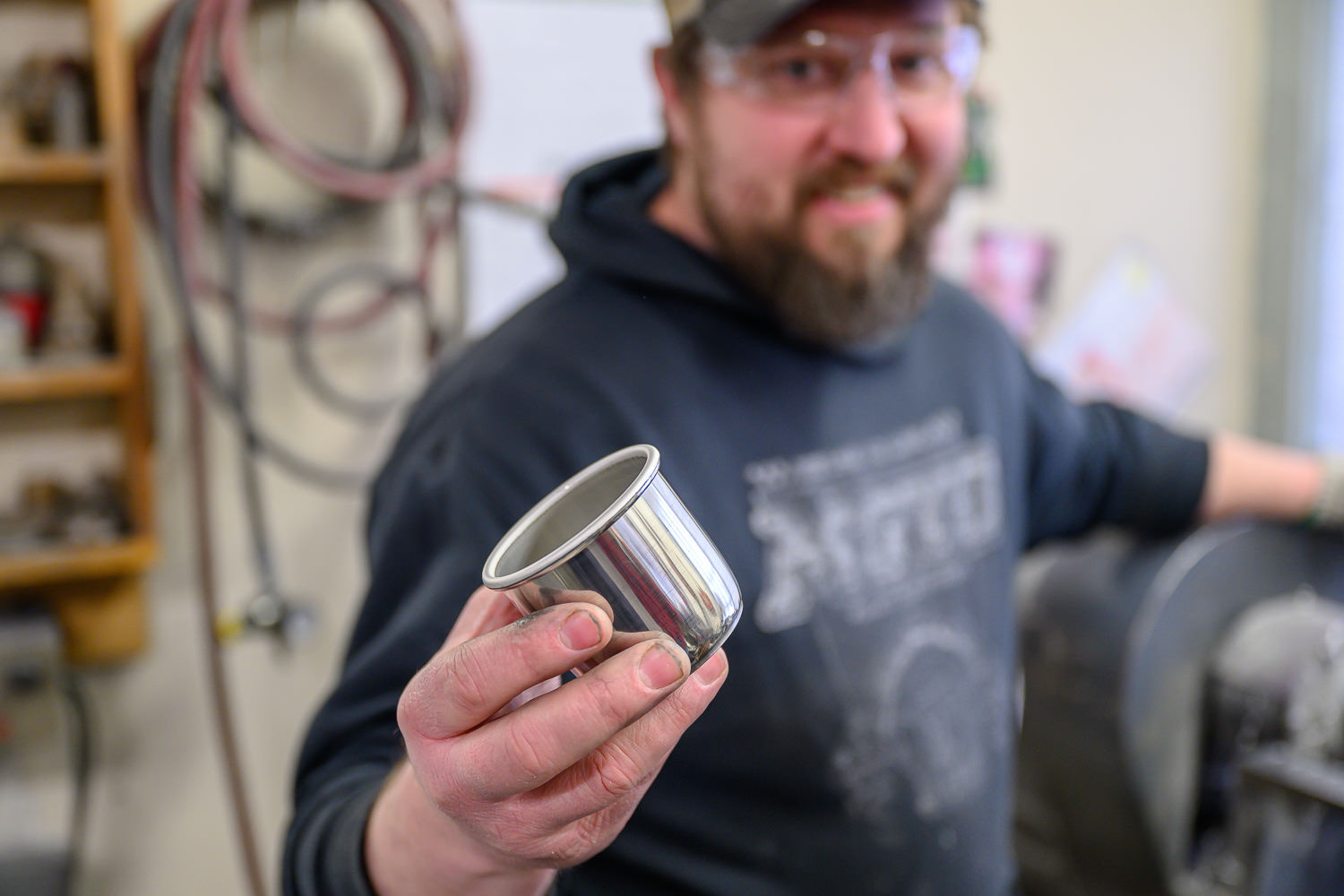
That way began with apprenticeships in Fredericton, New Brunswick, where, Judi recalled, “It was just like a lightbulb went off…” They learned that the laborious work of hand raising holloware with a hammer could be done far more efficiently and accurately with a spinning lathe, meaning they could make beautiful items in production, as well as one-offs.
The Danforths returned to Vermont and set up a small workshop in an old Woodstock dairy barn.
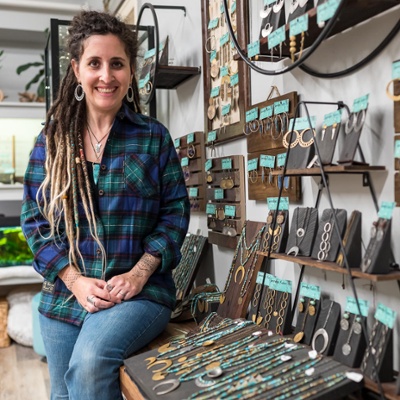
They began to build a business that included fine holloware items, like oil lamps, goblets, and baby cups, as well as a few cast items like ornaments and jewelry. Arriving at that combination of products, Judi said, was when they realized they had a business, “because we could use the more time-consuming methods of making holloware as we developed this bread-and-butter technique of casting that was so versatile… you can make everything from buttons to picture frames and everything in between. So the new skills that we started to learn and teach ourselves really is what made a sustainable business – art and craft.”
Their goal as a business, Fred said, “was to make fine products, fine objects for people to use, appreciate and give as gifts or choose for their home.”
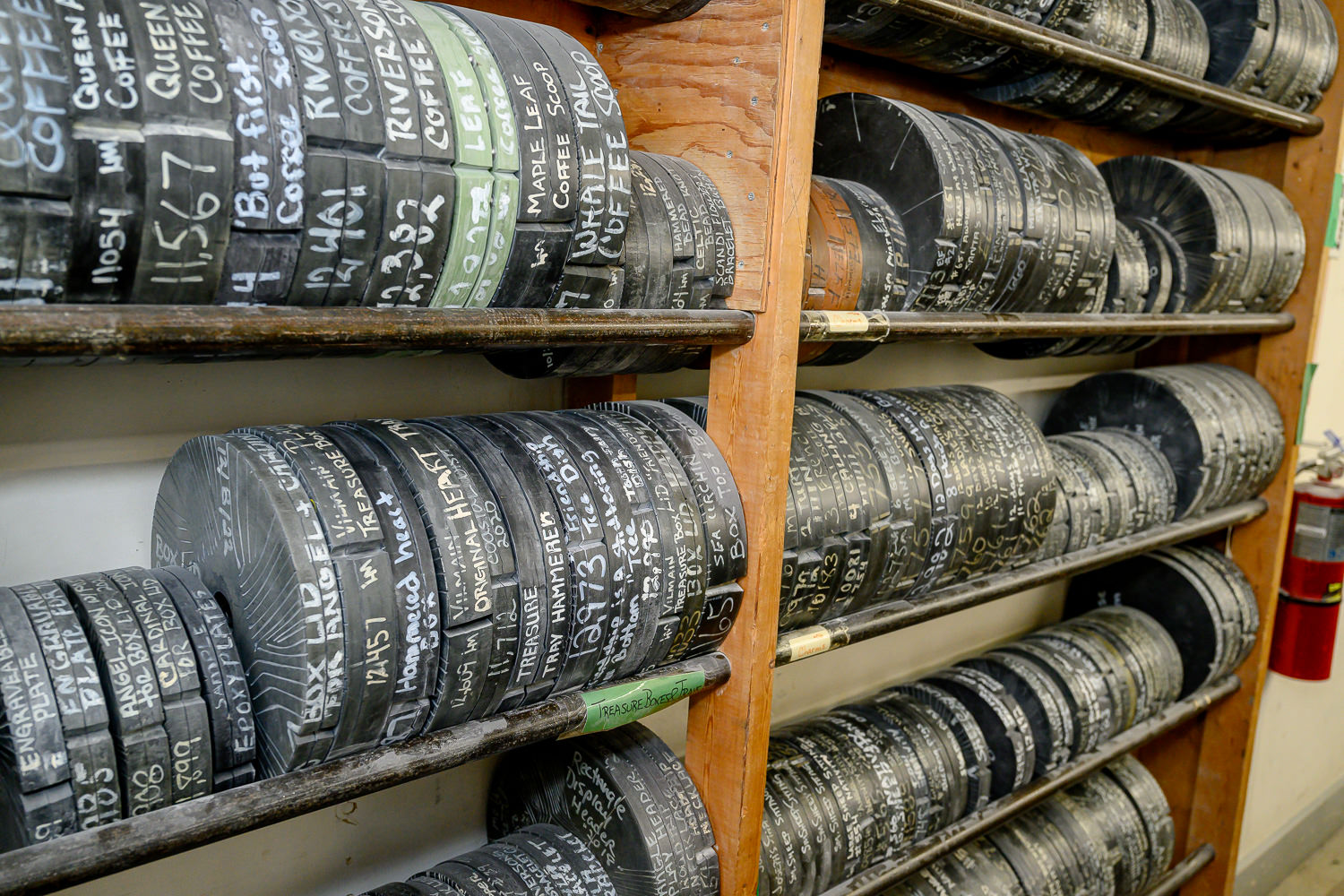
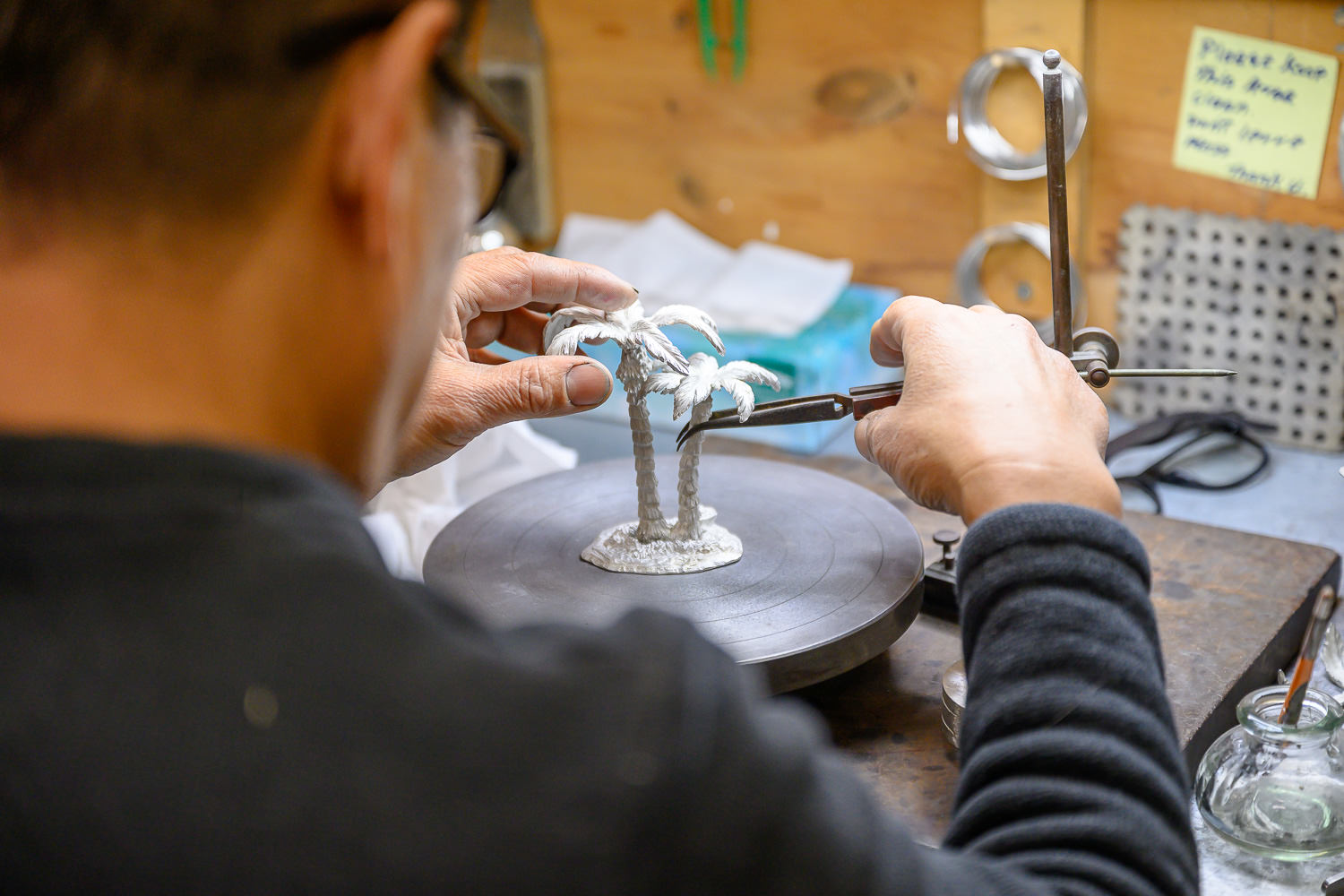
For the casting side of things, Judi discovered she had a real talent for wax carving – making the original models for small cast items like keyrings, pins, and ornaments. And that led, Fred said, to an important turning point in the business, when they began casting items in multiples. Soon afterward, they hired their sixth employee, who was their general manager, and they began to feel, Fred said, “Wow, we're not just making one-of-a-kind pieces in small production. We're in gear here.”
Then, in 1989, Disney called.
The company had seen Judi’s casting work and wanted to license Danforth to create and make “classic Winnie the Pooh” collectibles.
“It was a wild ride,” Judi said. “Ten years… In order to try to balance the power of Pooh, we took on Beatrix Potter, Curious George, Dr. Seuss, the Museum of American Folk Art, the Smithsonian Zoo, all these different licenses, thinking that, ‘okay, if this goes to hell in a hand basket, we've got all these others and we're going to be fine.’”
The Pooh era led Danforth to become 90 percent wholesale, allowing it to ramp up production, push items out to retail outlets, and build name recognition. There was rapid growth, and in 1997 the company was named the Vermont Small Business of the Year.
“We hired a lot of people,” Judi said, “and we were makers, but on a scale that we hadn't ever imagined.”
Eventually, the wild Pooh ride did come to an end when Disney started slicing and dicing its licensing deals. That led Danforth to step back and take stock of their business. “When sales fell sharply,” Judi said, “we got a grant for companies whose business had been influenced by mass importing… We did a focus group. We brought in our best reps and some other people in the market, and we reinvented ourselves and said, ‘okay, we need to tell our story, because when we sell to gift shops, A, B, and C, they don't necessarily tell our story.’”
It was 1990, and they decided to try a retail store – a popup Christmas season store in the Burlington Mall. It did so well for two years that they opened a full-time store in Burlington’s Church Street Marketplace, the first step in their company’s shift away from such a heavy dependence on wholesale and into retailing. Danforth now has nine stores in addition to its online store, and they encapsulate their offering as “Fine American Craft at Production Scale.”
“It's a big country,” Judi said, “and we are a small company, so getting our work in front of people's eyes, that's the name of the game at this point.”
“We've joked about it,” Fred added, “…you land in an airplane in a city, you get in a car, and you drive and you go through neighborhoods, and every one of those neighborhoods has houses with windows in it. And there's a lamp in every one of those windows. We haven't got our lamps in nearly enough of those windows yet. There's plenty of windows out there.”
So, through it all, what do they love most about being a maker?
“Having my hands on a shape with an idea and seeing that shape become reality is one of the biggest satisfactions I can think of,” Fred said.
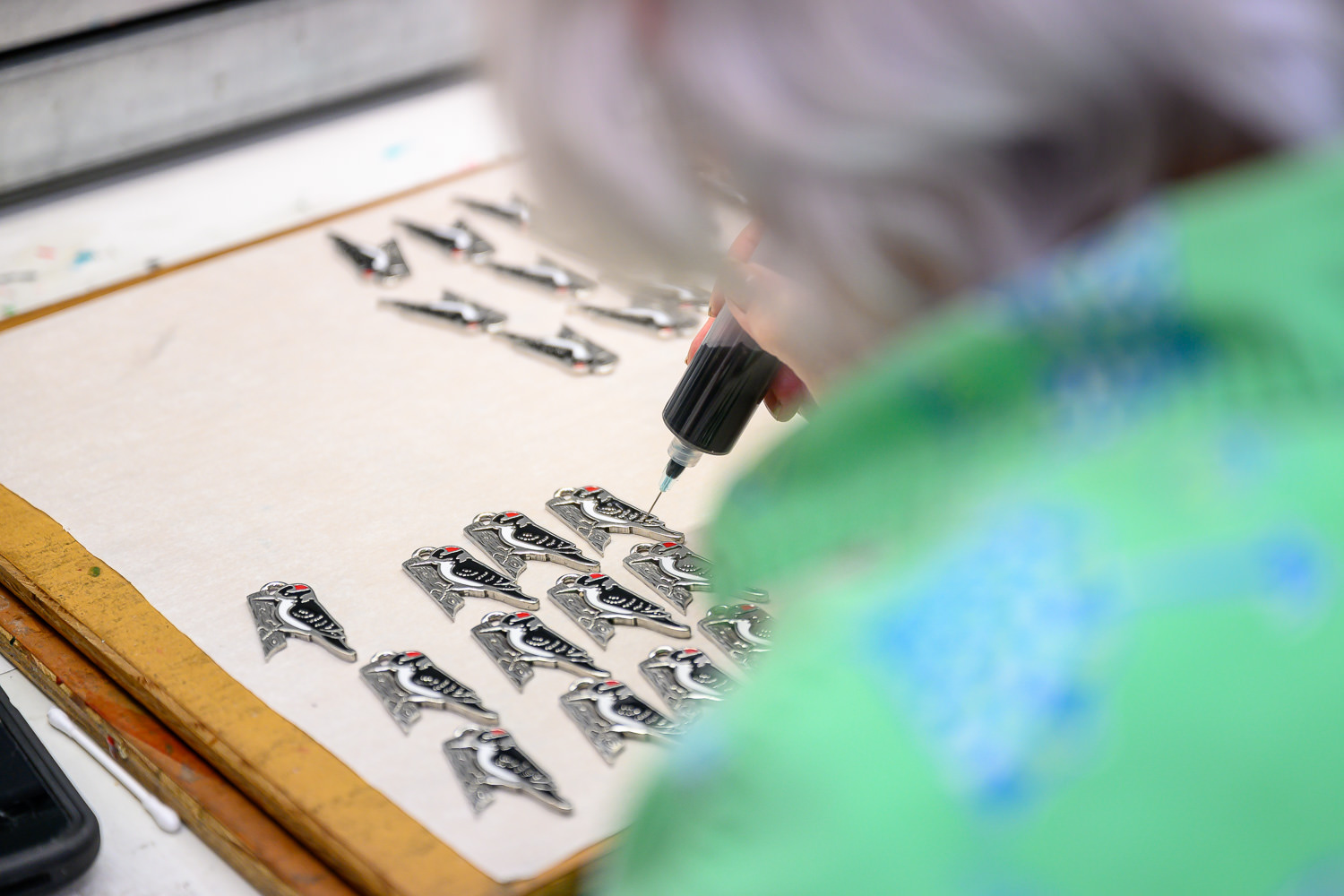
Judi concurred: “Being creative and continuously exploring new designs, and making people happy with purchases that carry meaning for them, that's incredibly rewarding. Equally rewarding is working alongside our artisans who take such pride and satisfaction in their work … that's a gift.”