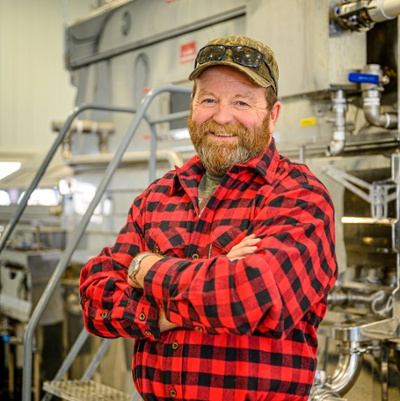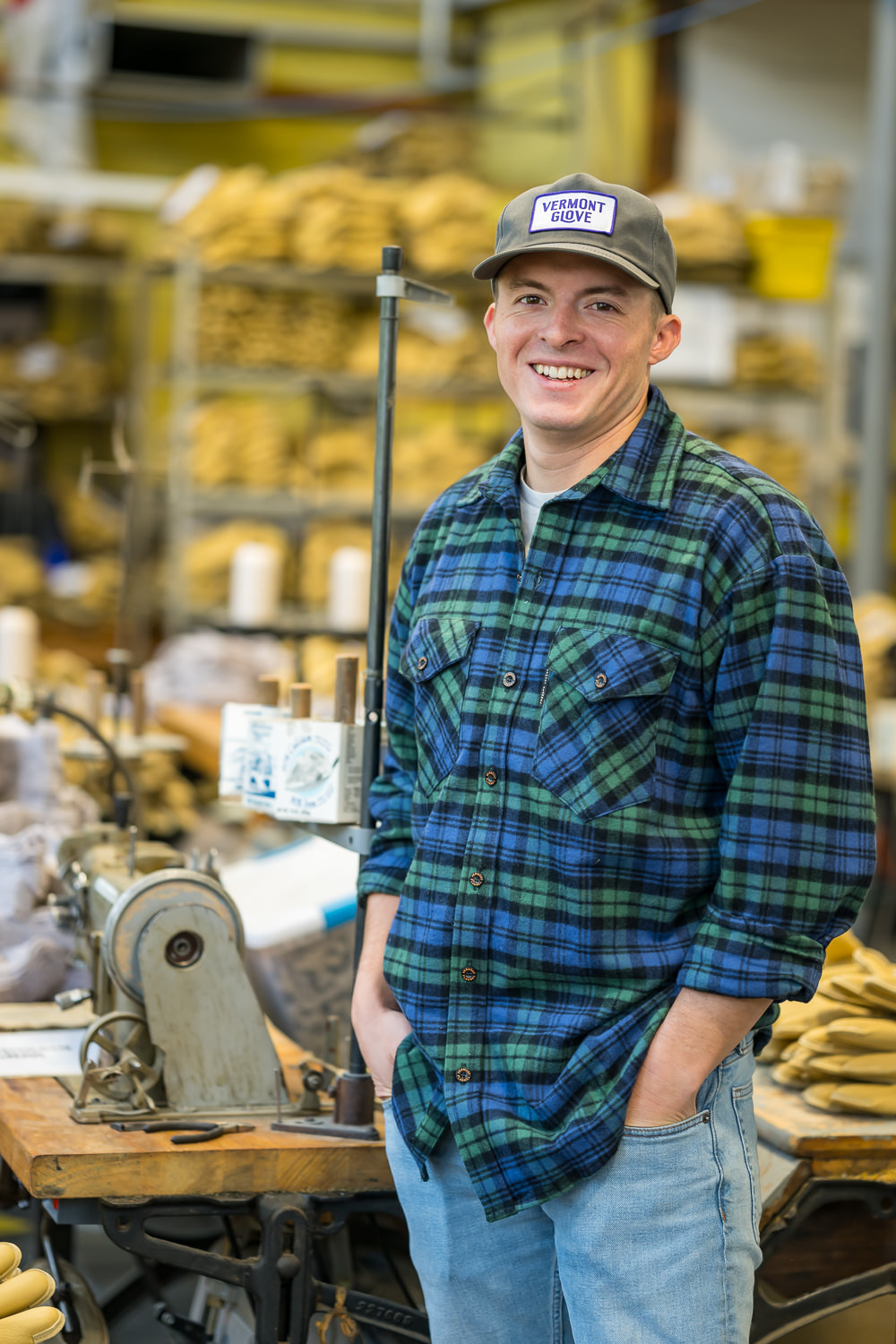
“Sometimes,” says Sam Hooper, owner of Vermont Glove, “I get comfortable with the idea that, yeah, we're making gloves, that's what we do. But occasionally I’ve got to pinch myself and remember, no, we're one of the only glove companies left in the United States, and that is really important. That's really cool.”
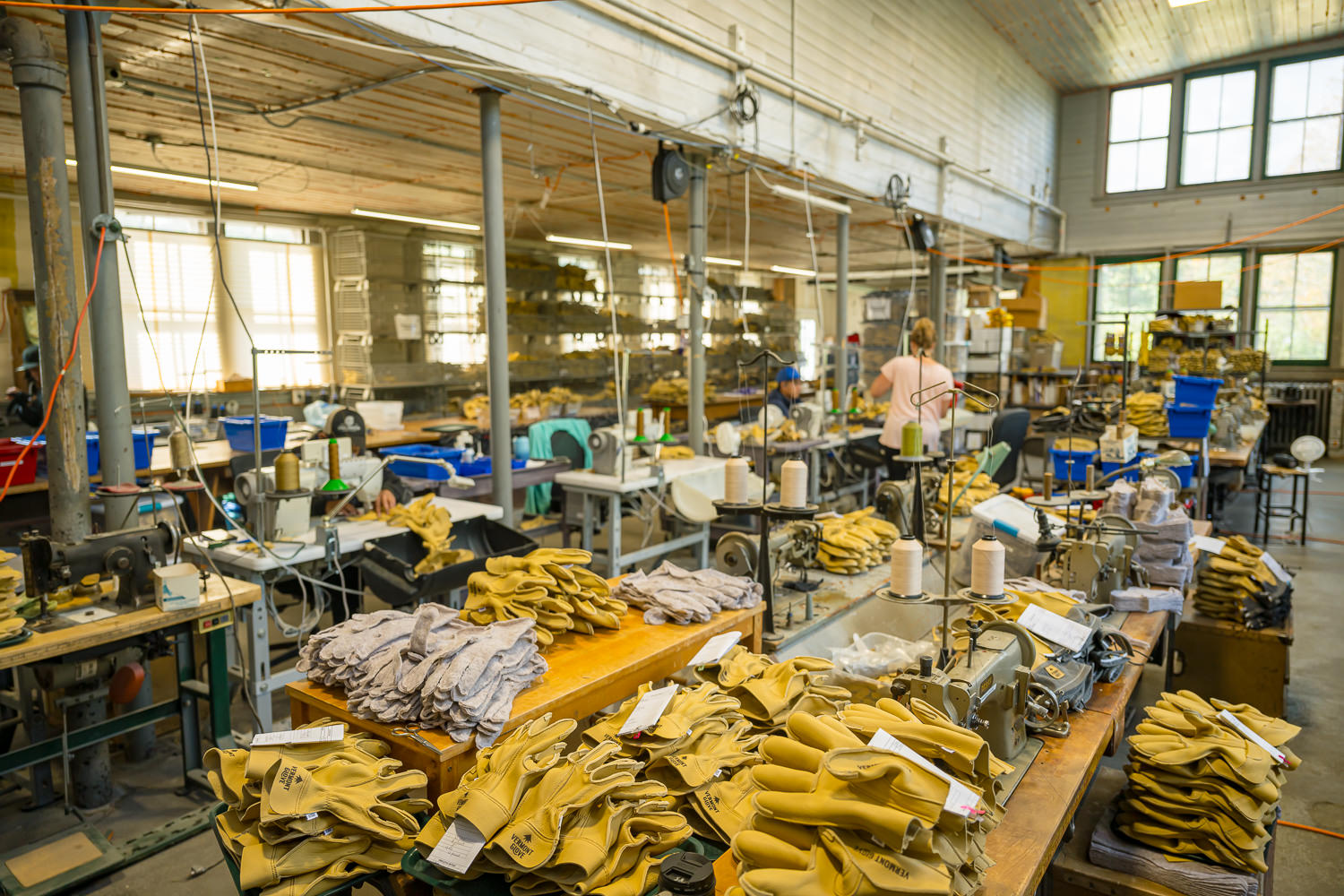
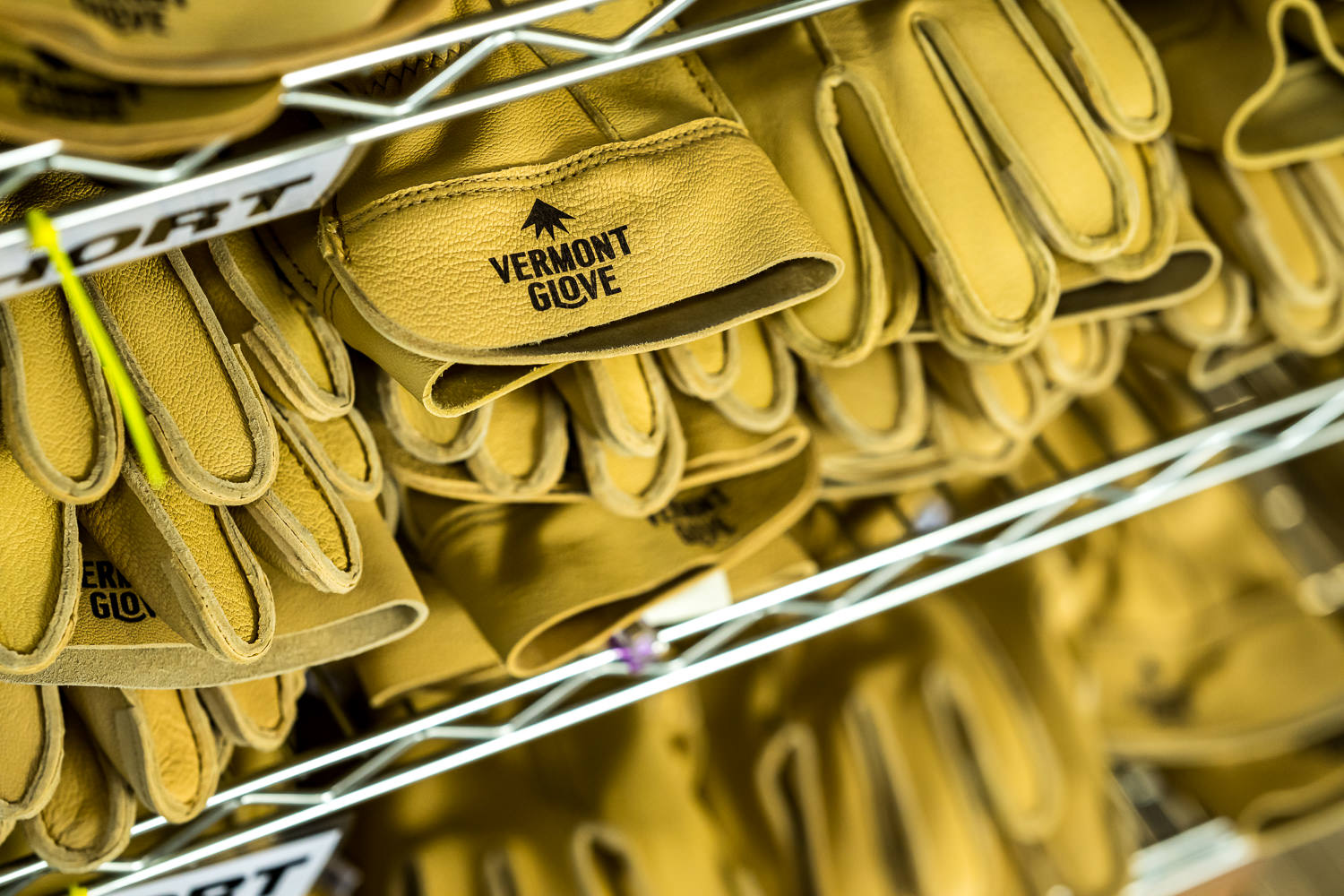
The glove maker, housed in a converted (carbon-neutral) creamery in Randolph, Vermont Glove, has undoubtedly beaten the odds, weathering every crisis imaginable since its founding back in 1920. And it continues to make quality gloves much the same way it did 50 or 100 years ago. The goat hides come in and the gloves go out.
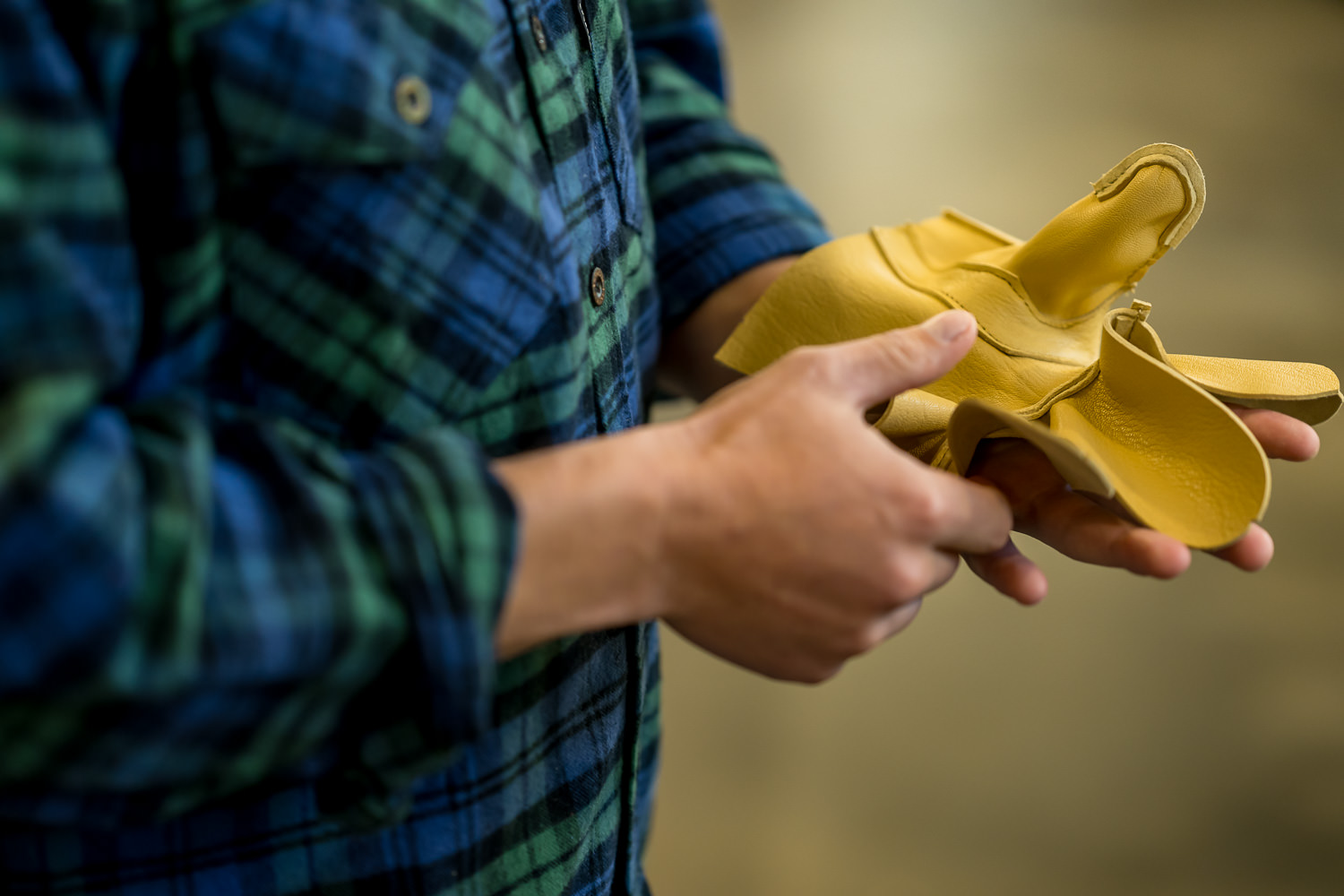
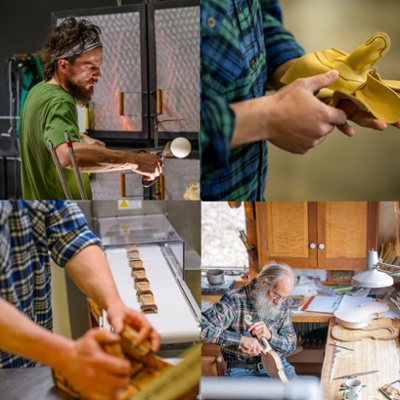
“If you watch our process from hide to finished product,” Hooper says, “it's a really remarkable thing. Most people don't realize that there's 12 pieces that go into our gloves. They don't realize that the pattern construction is highly engineered to perform a certain way. And we basically make the glove twice over, because we want it to last as long as possible. We're going to double stitch every seam. We're going to reinforce every spot that's going to be a high wear point. Most companies out there these days who are driven by shareholder dividends or profits aren't going to do that. They're not going to go the extra mile to make the better product.”
About five years ago, Hooper, who had grown up in his family’s business (Vermont Creamery), learned that the maker of gloves (then known as Green Mountain Glove) that their family relied on at their farm was unsure about its future. Hooper says he met with the company’s third-generation owner, Kurt Haupt, and they agreed on a path forward: “he let me work here for free and he taught me everything that he knew, and during that time I would write a business plan and kind of put a strategy together for what the future could hold for the glove company.”
The company had made a name for itself since the 1930s, making quality gloves for electrical workers. “We basically protect the protectors,” Hooper says. Their gloves go on over the workers’ rubber gloves and keep 20,000 volts from surging through their bodies.
Which means there is exactly 0% room for error.
In 2018, Hooper bought the company from Haupt and began building it back up from the ravages of a few decades of NAFTA and outsourcing, when electrical companies had been bought up and some had started cutting corners, buying gloves based on cost alone.
“I knew that we needed to get back in front of all those old customers,” Hooper says, “get back in front of those buyers and tell the story that we're going to outlast our competitors five, six pairs to one and we're going to save you money in the long run. So, reinvigorating those relationships has been key to our growth. And we've done really well – most of the powerline workers in Vermont are wearing our gloves, and we've got about 80 utility companies across the country who are buying from us. And that side of the business really invigorates the consumer side of the business.”
And that consumer side is key to the company’s growth (with direct-to-consumer sales representing about 50% of the business). “The idea there,” Hooper says, “is to create some aspiration around a glove that real working people use for their everyday job and to protect their lives. So, if you are a hobby farmer or a homesteader, or just have yard work to do and you want to keep stuff out of the landfill and you believe in local labor, then investing in a product that's going to last you a really long time has been a great aspiration for ordinary consumers.”
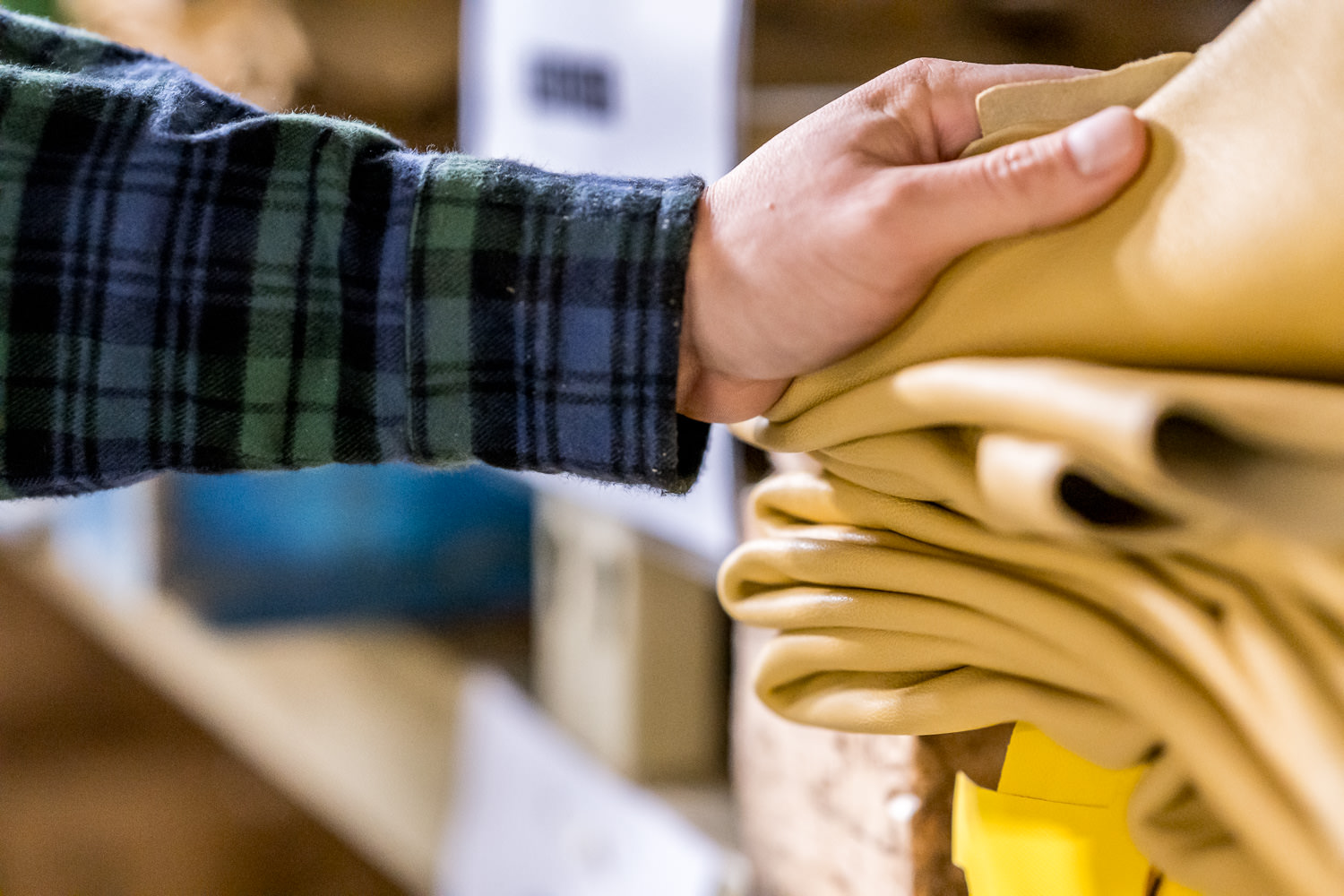
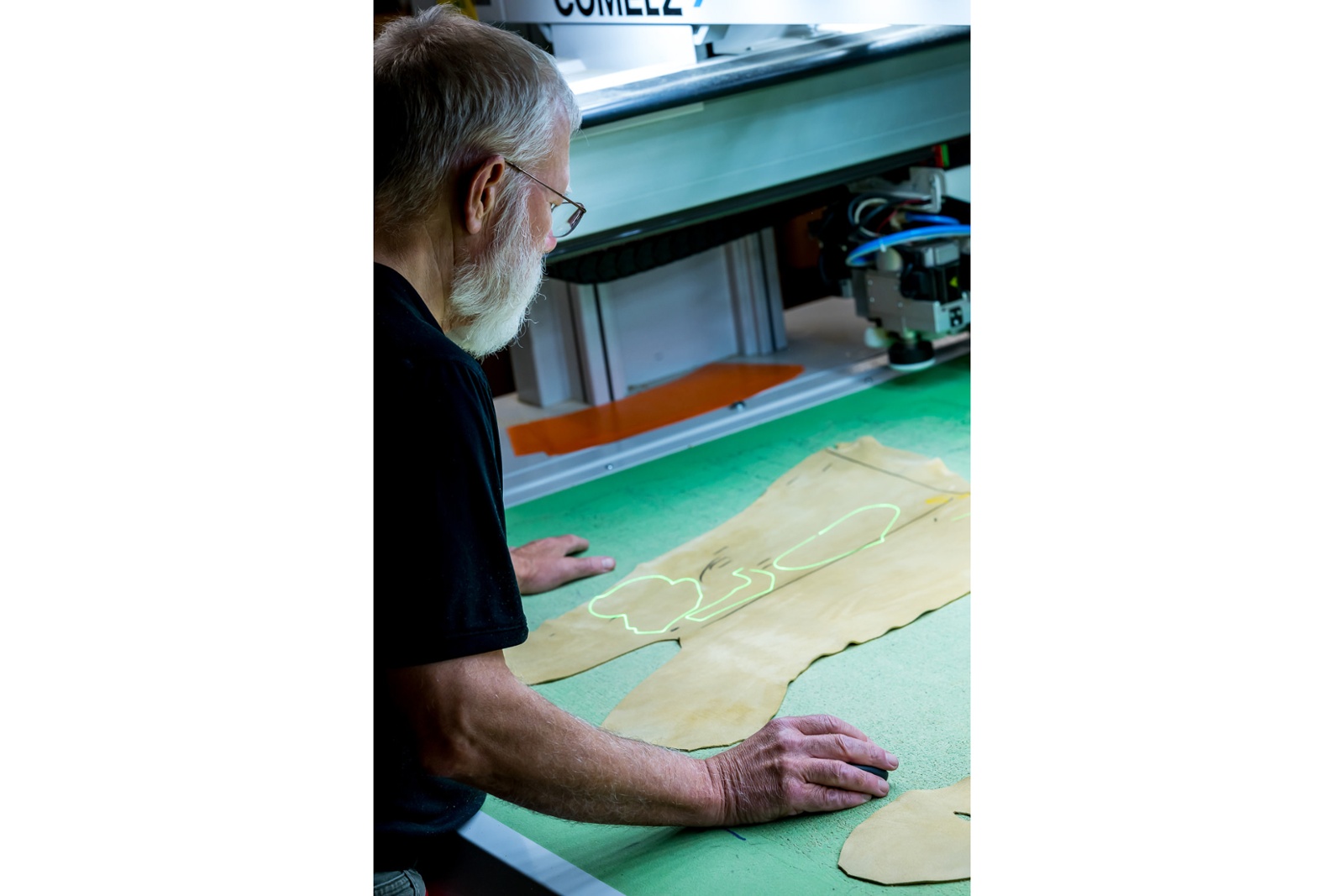
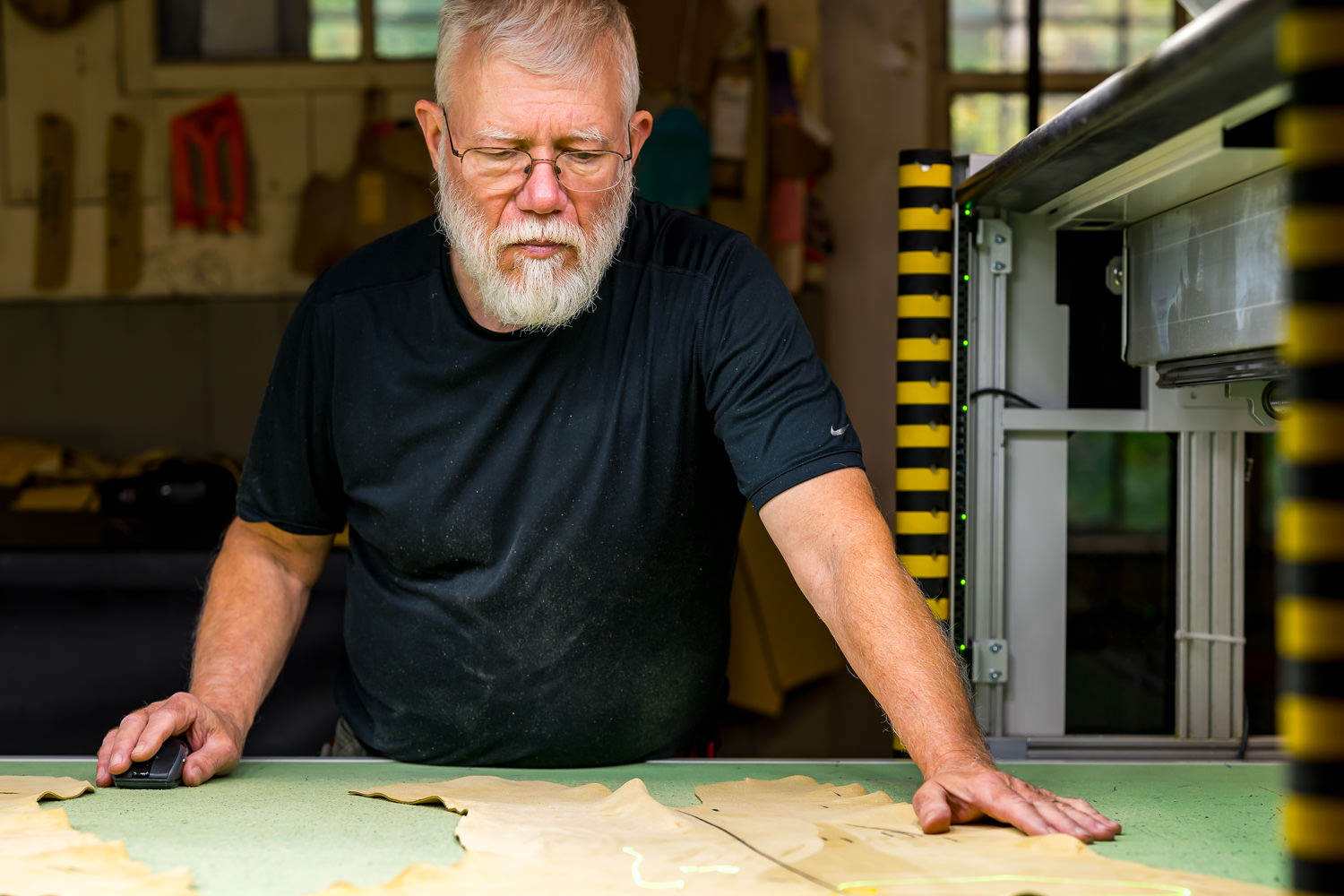
Vermont Glove has about 50 different styles, but all of them are made from goat leather and other natural products. If there are any synthetics at all, Hooper says, they have to be 100% post-consumer recyclable (“we just don't want more plastic and crap in the world,” he says). But making a glove from goat leather, Hooper says, “is extremely challenging. The reason we use it is because it performs really well. It's a tight knit grain that is heavy in natural oils and lanolin, so it weathers really well. It can handle moisture and sweat and salt. And when it gets wet and then dries, it doesn't dry, [or get] stiff and brittle. Whereas cow hide will dry out and then eventually break down because lanolin isn't present in cow hide. But from a manufacturing standpoint it's really challenging to work with. They're odd-shaped hides. No two are alike… It doesn't lay flat. So finding a way to efficiently cut it is extremely challenging.”
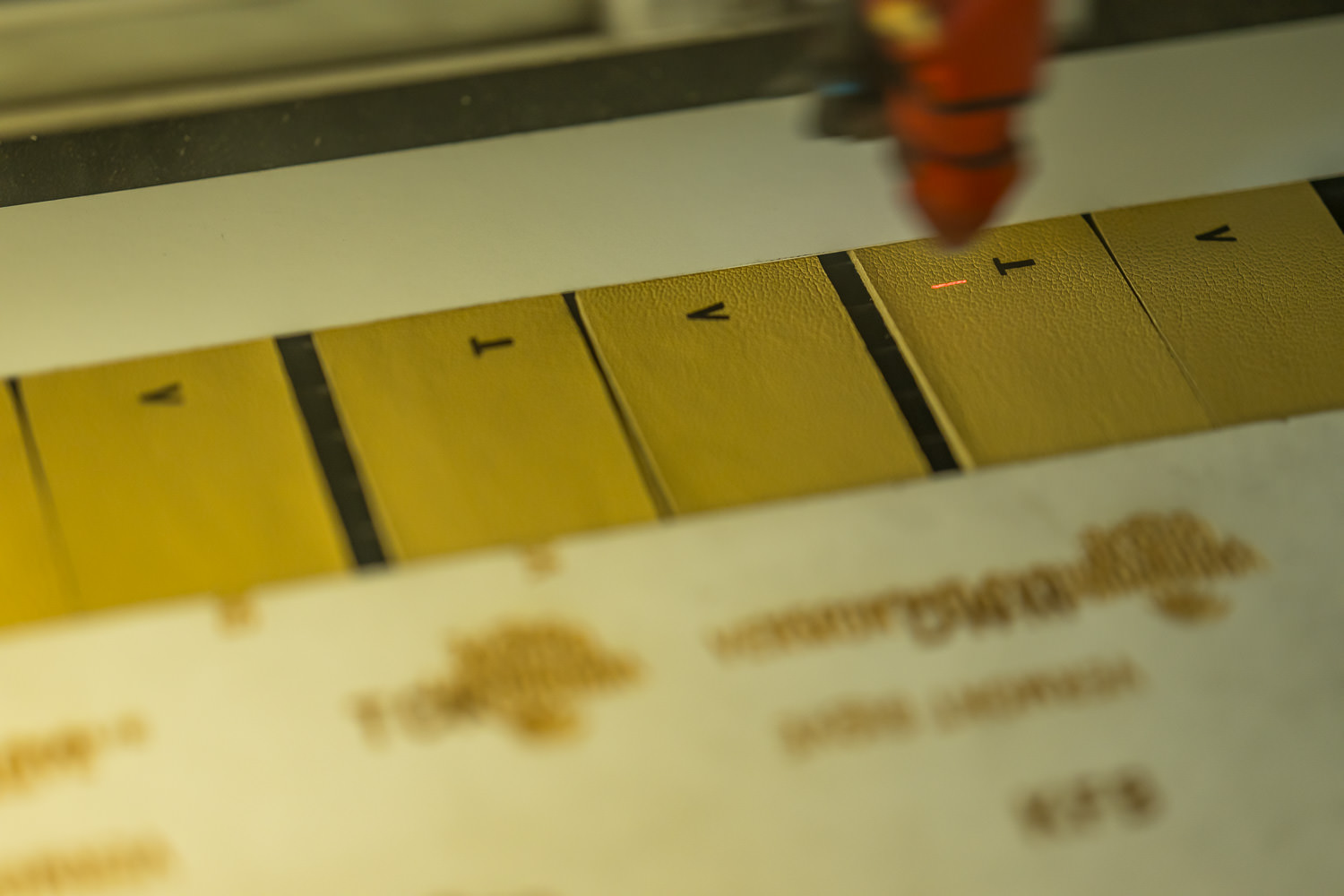
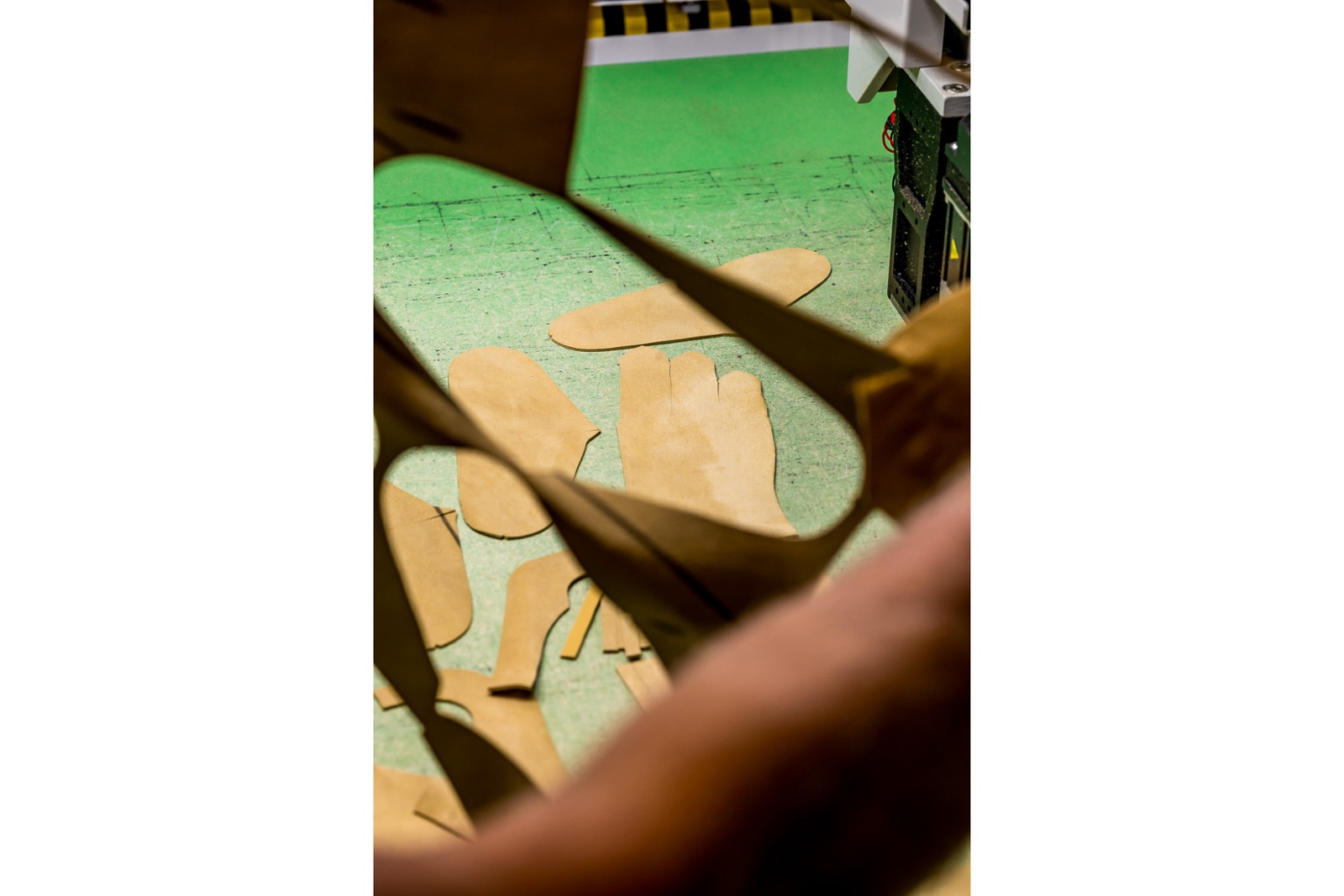
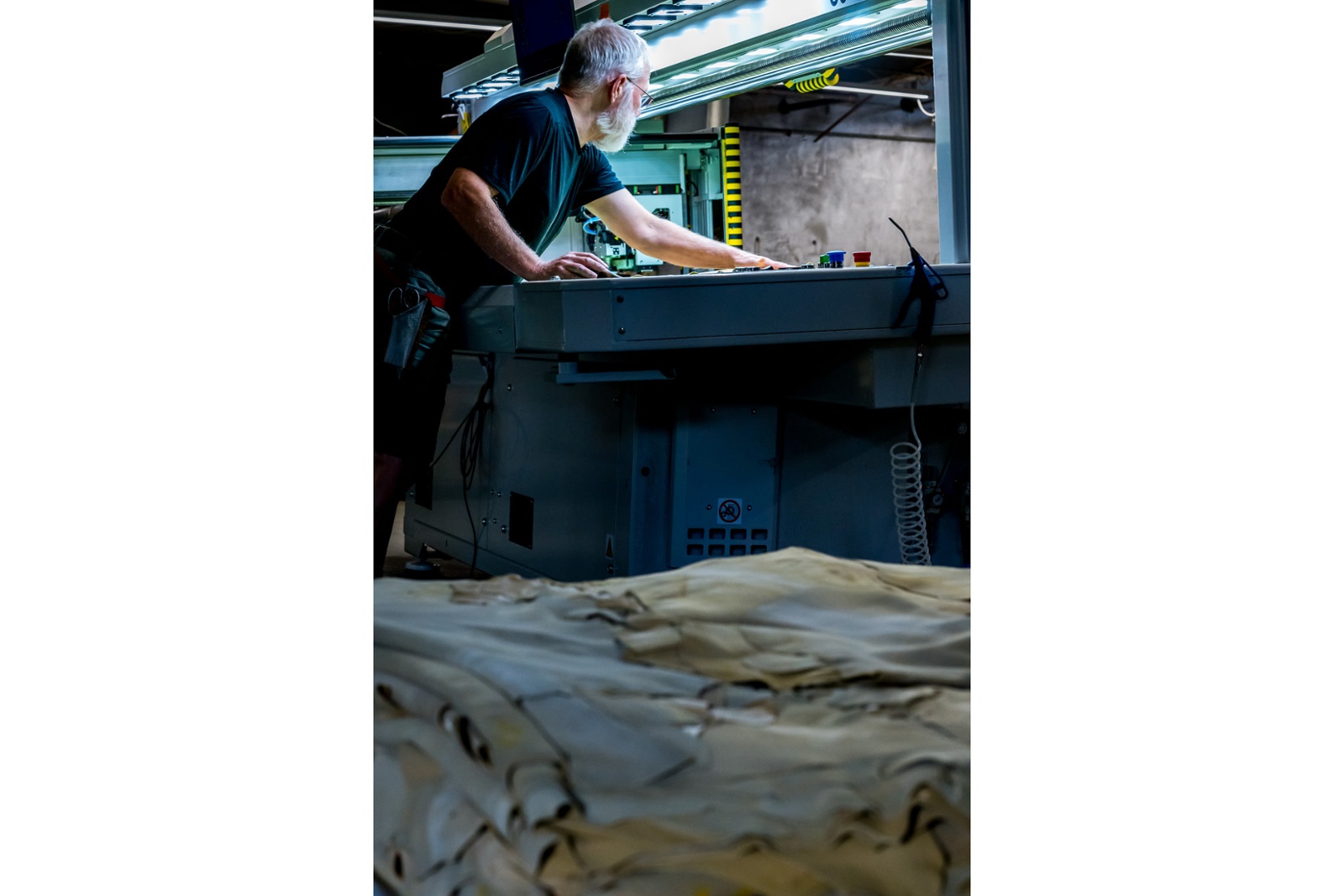
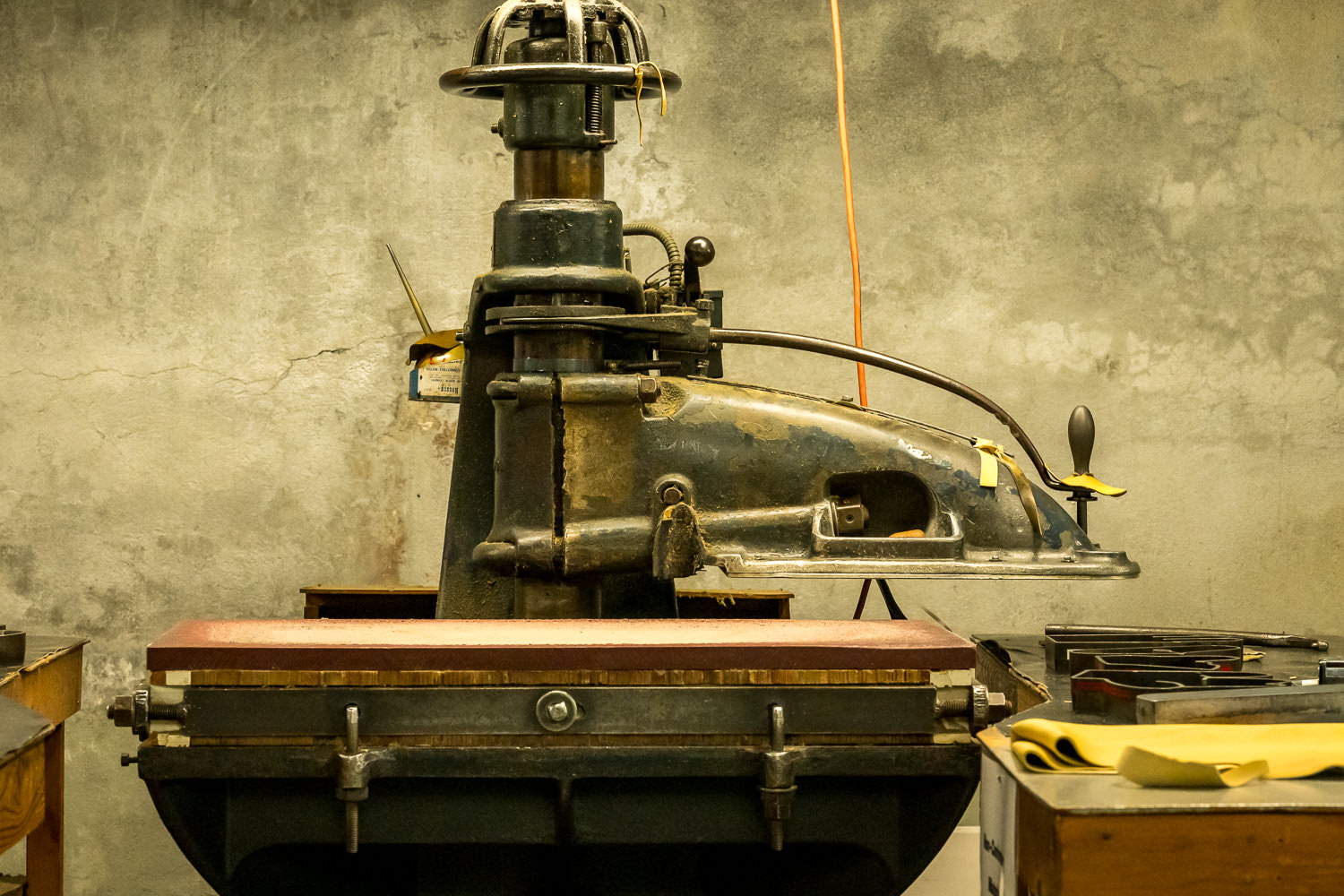
Until recently, the company used big industrial stamping machines to do the cutting, but now a state-of-the-art Italian CNC machine guided by a skilled cutter makes the absolute best use of every inch of the hide.
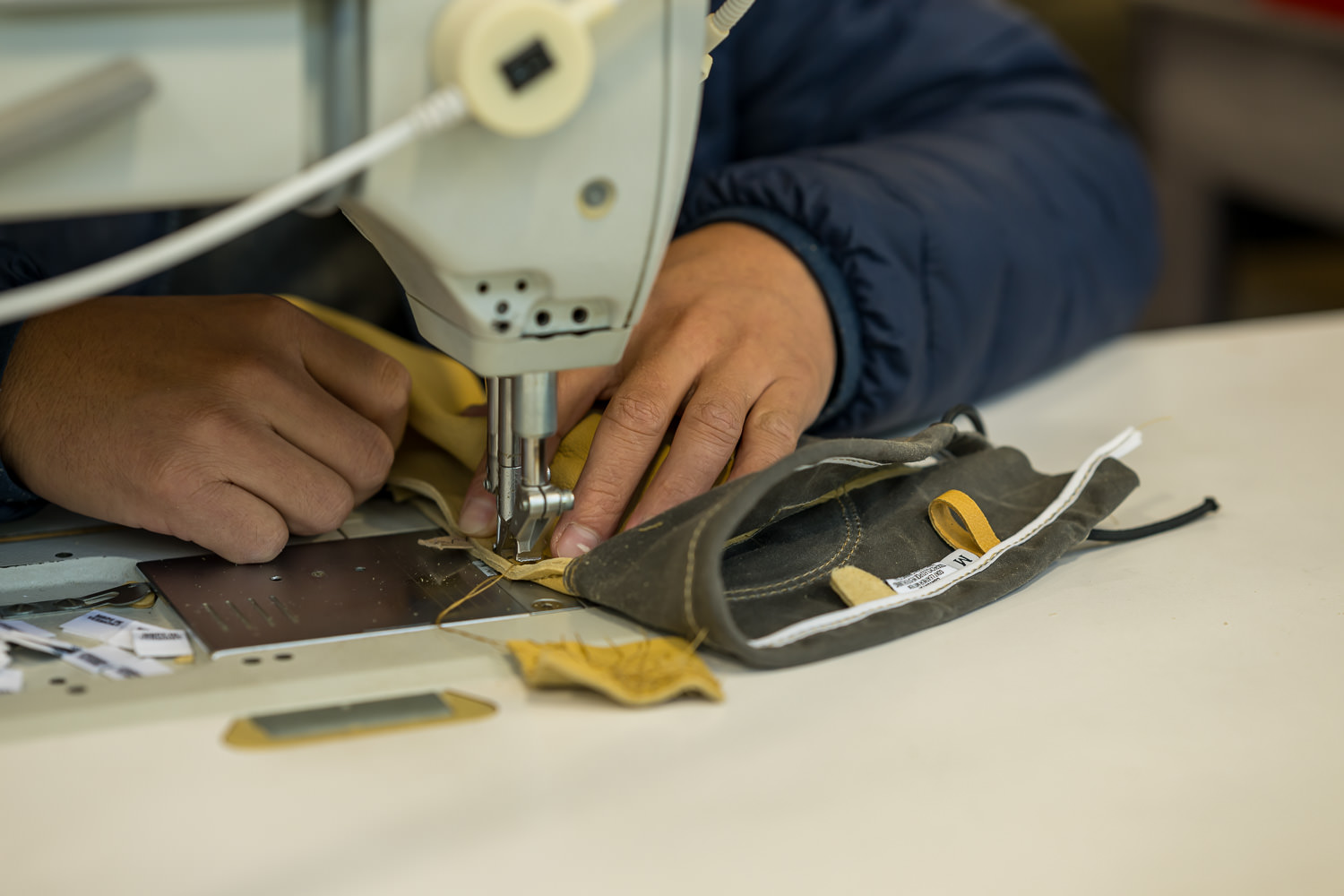
Then there is the inate difficulty of the sewing process, both because it is gloves, and because it is leather.
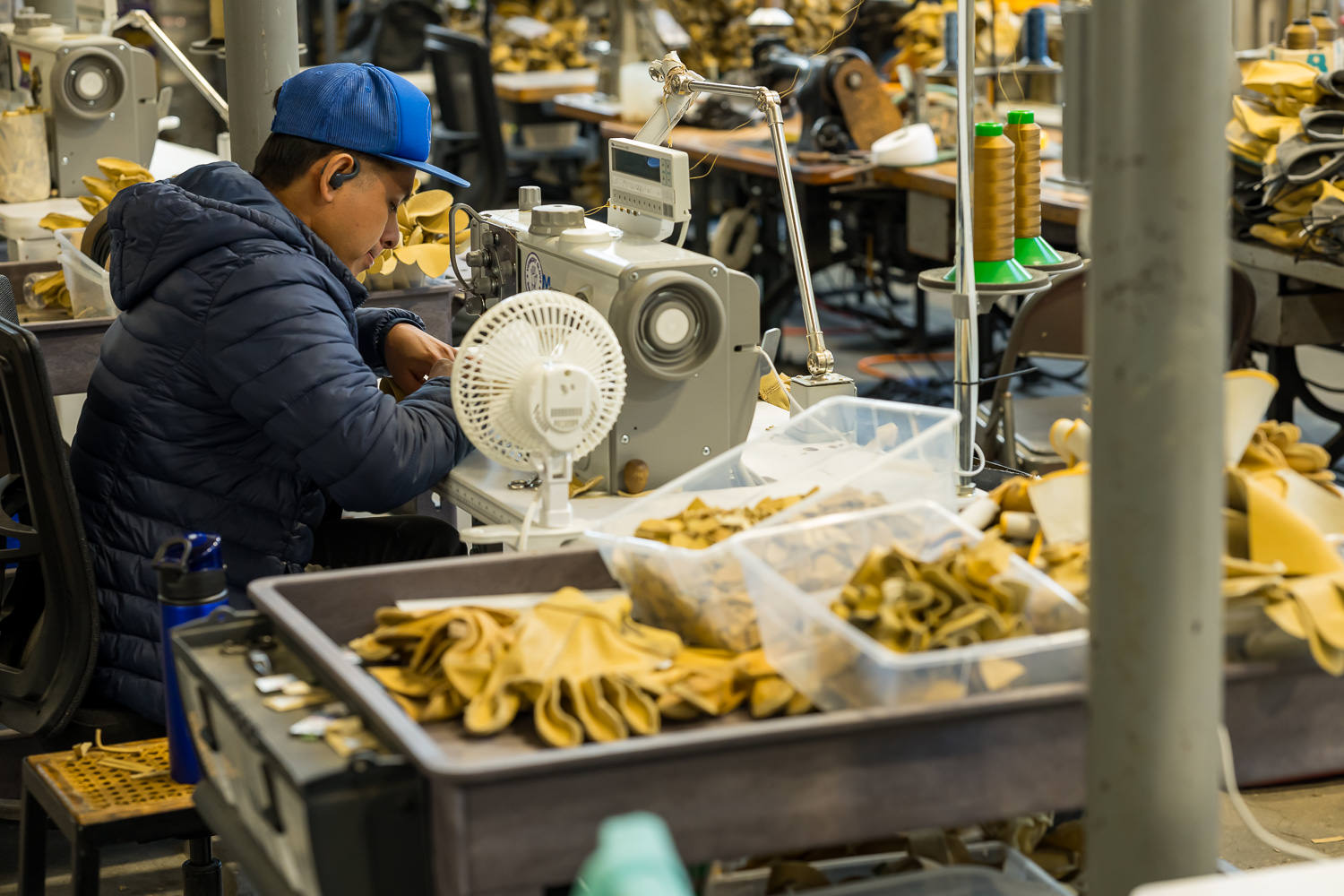
“The challenge about sewing gloves,” Hooper says, “is there's no automation in our sewing process… we're making a three-dimensional product on a two-dimensional plane. We can't use a robot… Every seam is visible to the consumer… and needle holes are forever. It's not like we can just fix something. Once that thing's punctured, it's punctured. So there's got to be thread in that hole. And if it's off the seam allowance, then that's not something we're going to sell.”
All this puts a premium on training a skilled workforce.
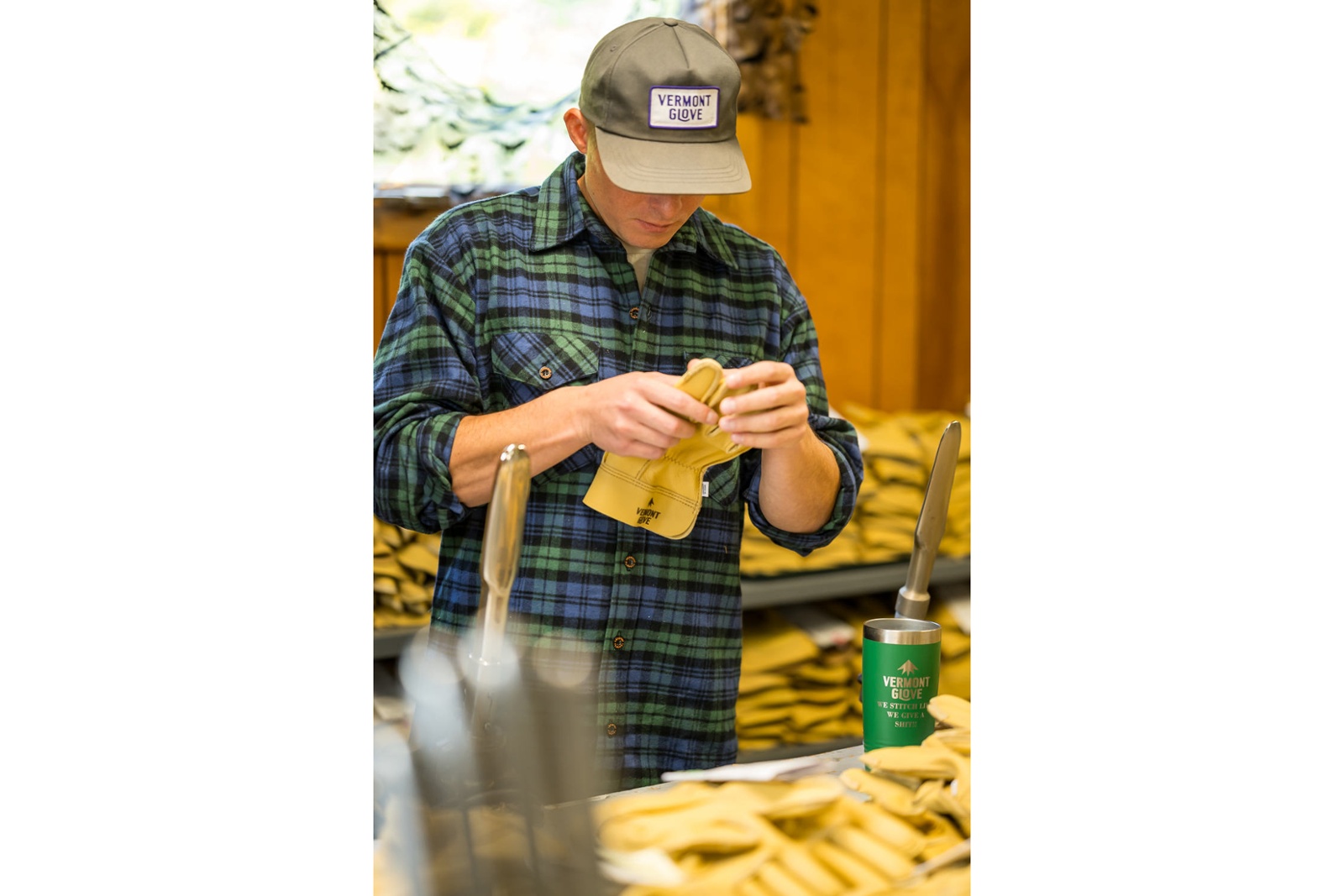
“We knew workforce development was going to be our Achilles heel at every step in the growth of this business,” Hooper says. “And we just said, ‘let's find a way to build a training program and recruit highly-skilled employees and take good care of them, pay 'em well and get 'em to retain those.” It can take them up to three months to train up a new sewer, but the investment pays off in higher retention and job satisfaction.
Vermont Glove is also big on giving back to the community, whether in their initiative sewing and donating masks during Covid, or donating 50% of proceeds from a Vermont Strong glove to the Vermont Community Foundation’s fund.
“That's a place where we really pride ourselves,” Hooper says. “To find a way to be able to do that and be successful financially as a business, so that way we can continue to reinvest our profits back into our employees, back into the operation, back into our community impact… That’s what’s cool to us, that's the big creation that we're doing. It's not just the product. The product's cool, the product's great, it speaks for itself, but the product alongside with a successful company values and company culture that can thrive and be around for the long haul, that's cool to me.
“We're really doing slow, methodical, strategic steps to create a 200-year-old brand, not just a century old brand. So the fact that we've been able to hold on this long is just amazing. And the fact that we have immense growth potential is really exciting.”