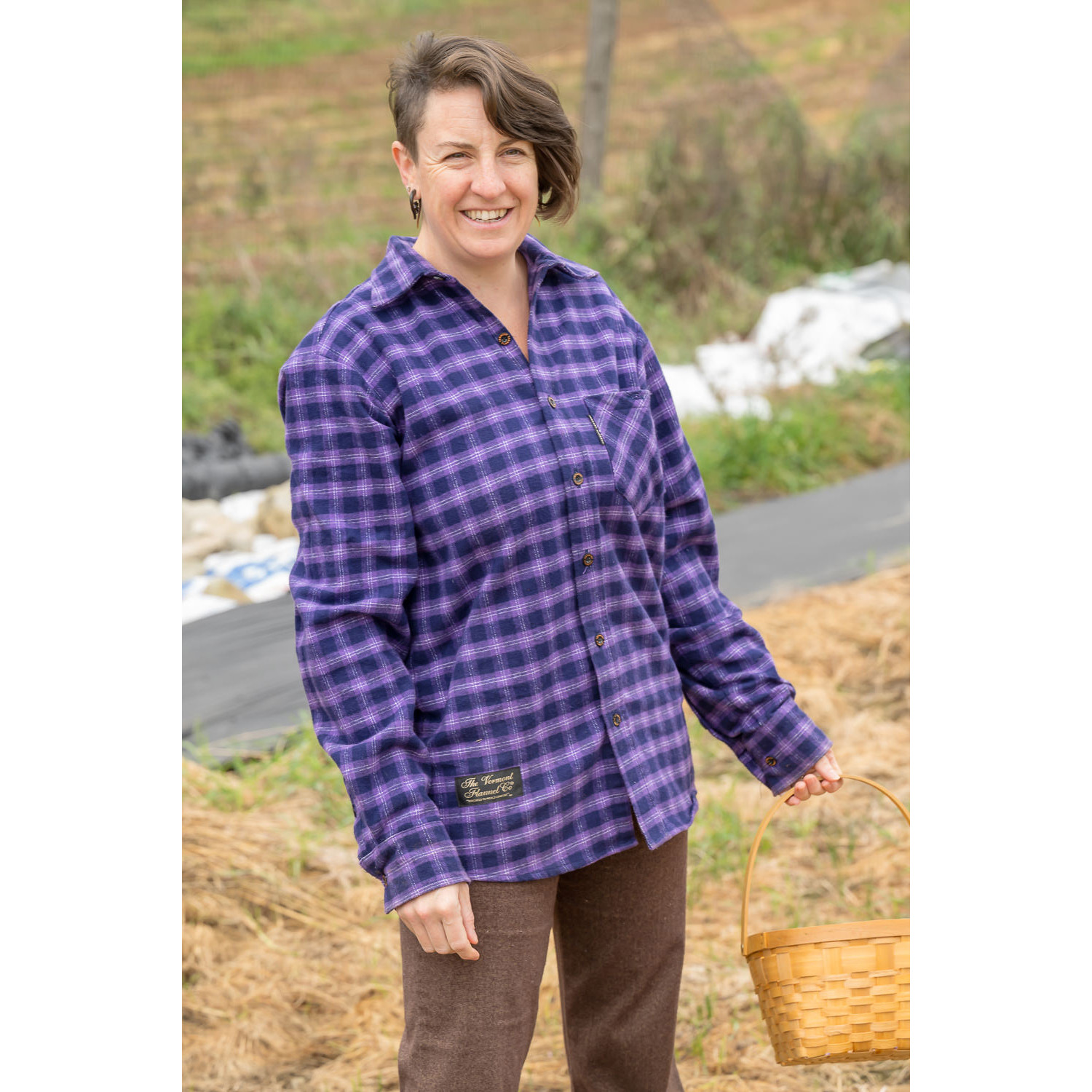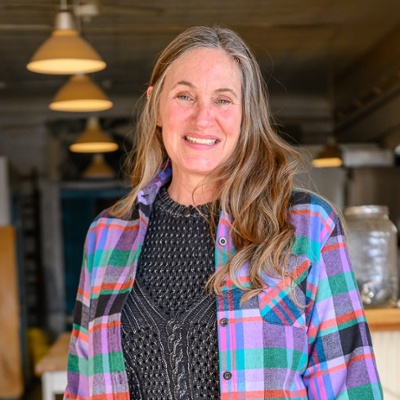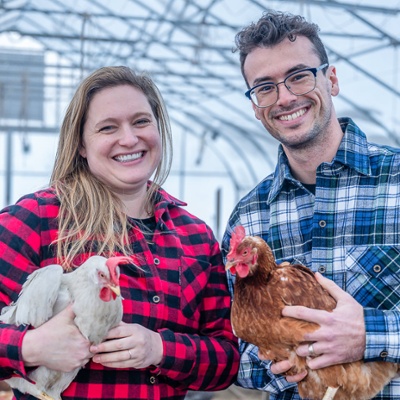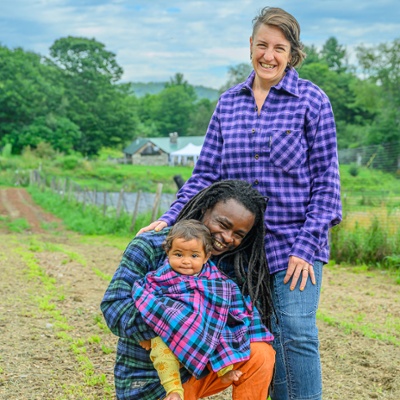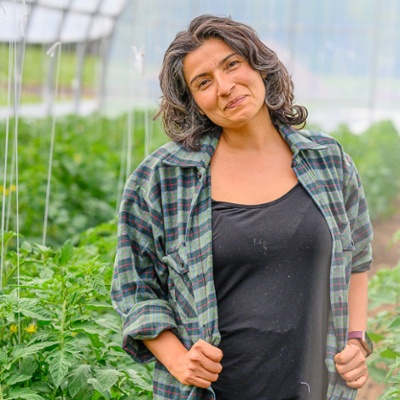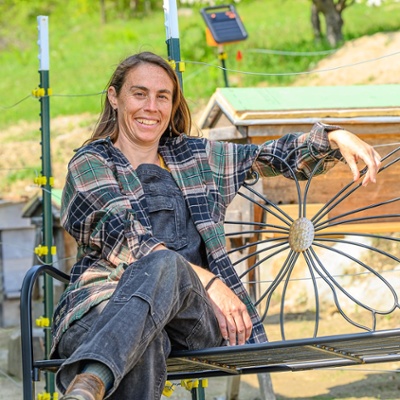
“It’ll be crazy, absolutely crazy,” said Jette Mandl-Abramson, of Calabash Gardens.
It was August and she was speaking about the expected October harvest of the company’s saffron harvest. Yes, saffron.
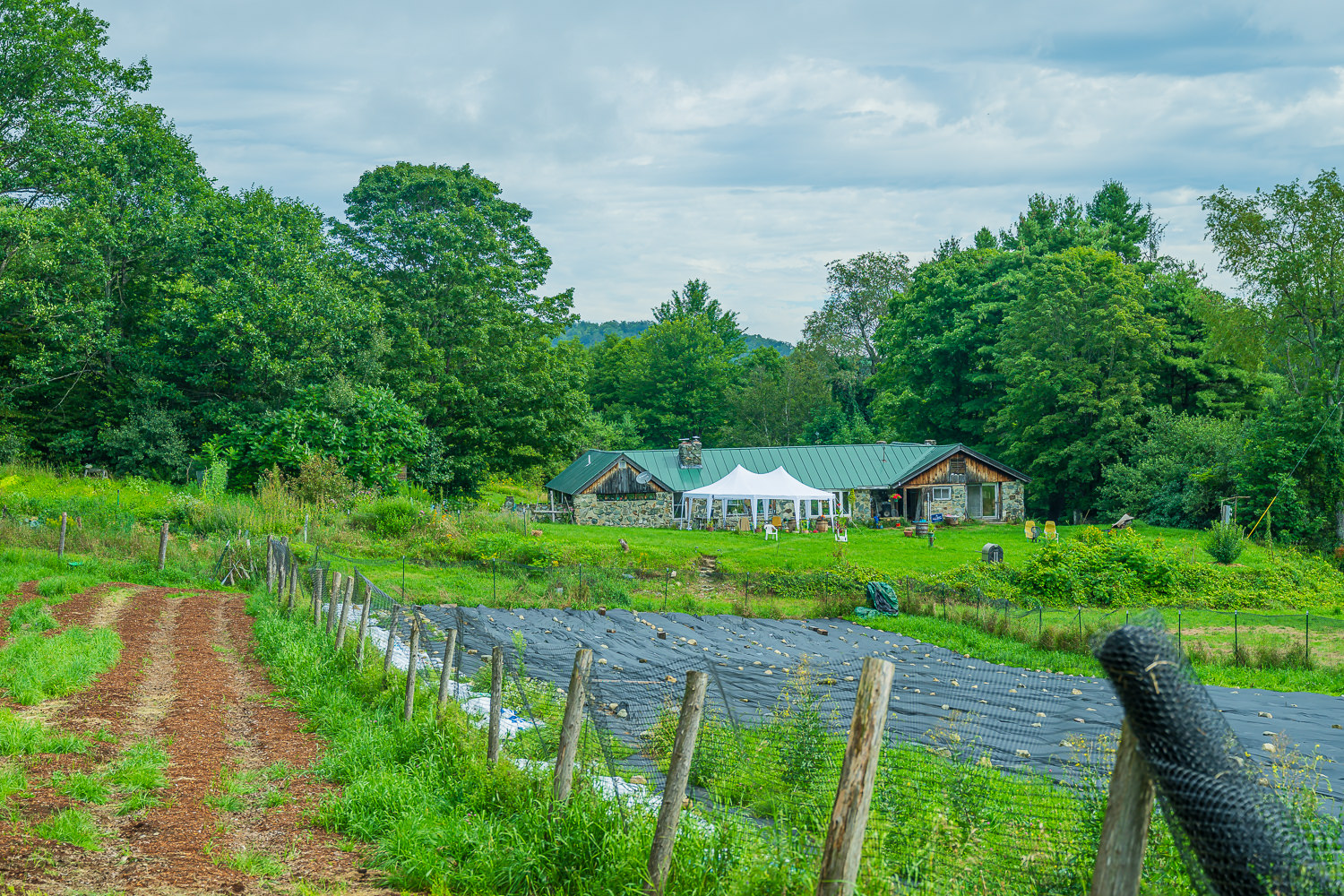
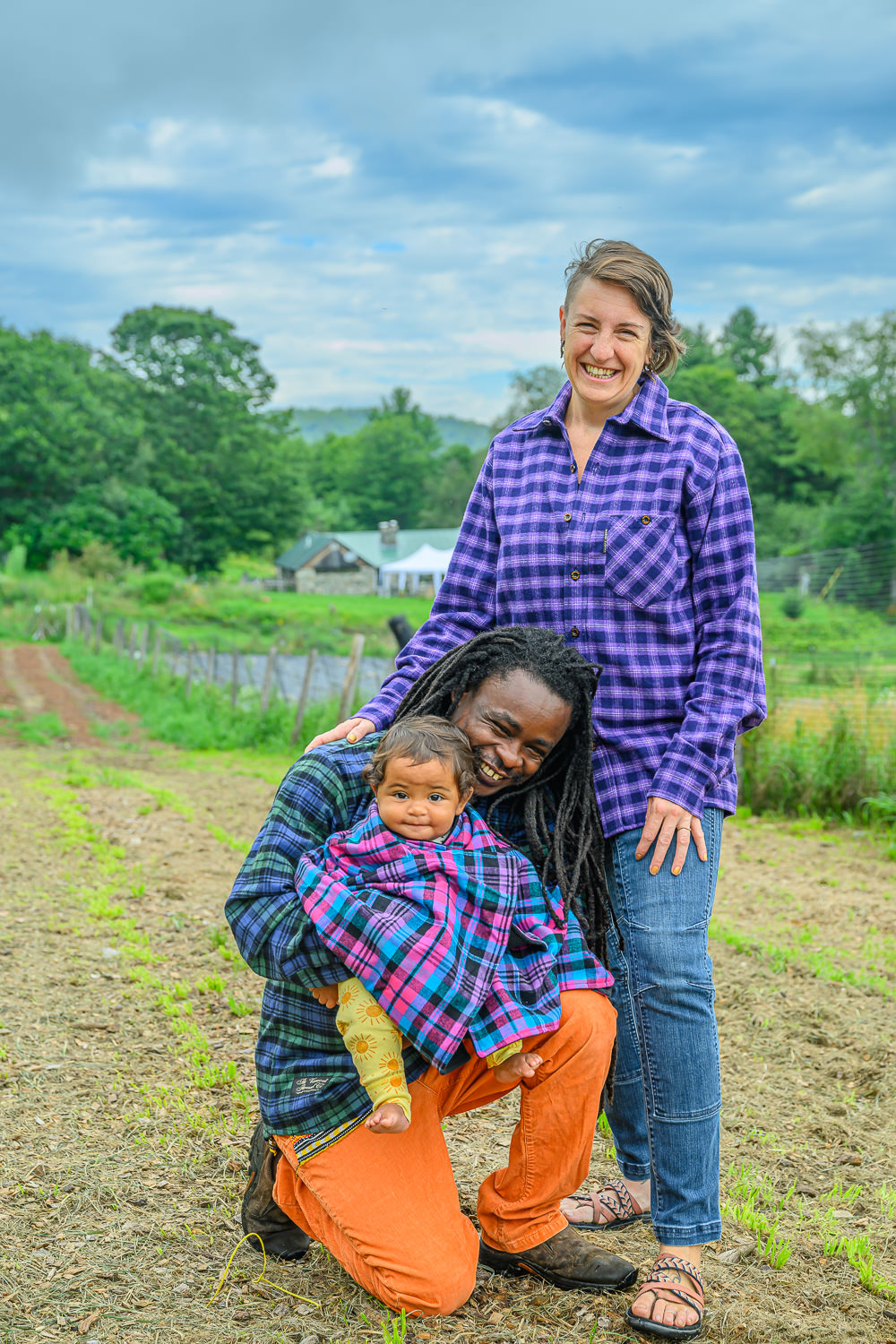
With two acres of saffron under cultivation, Calabash, which is co-owned by Mandl-Abramson and her partner Claudel “Zaka” Chery, could well be the largest saffron farm in North America.
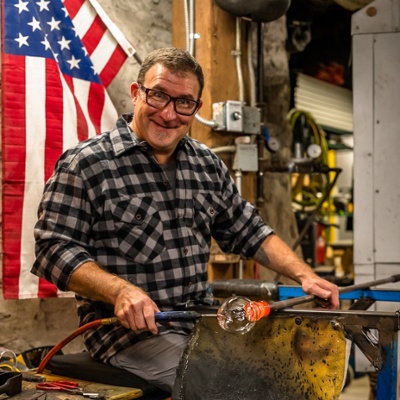
Mandl-Abramson, a ceramicist and herbalist, in addition to an organic farmer, was born in New Mexico and raised in New Hampshire. Chery, who is a poet and filmmaker, in addition to being a spice farmer, was born and raised in Haiti and moved to Vermont in 2011.
Saffron is mainly grown in the Middle East and Asia. Iran is the world’s largest producer and is responsible for more than 90 percent of the market for the world’s most expensive spice (ranging from $2000-4000 per pound).
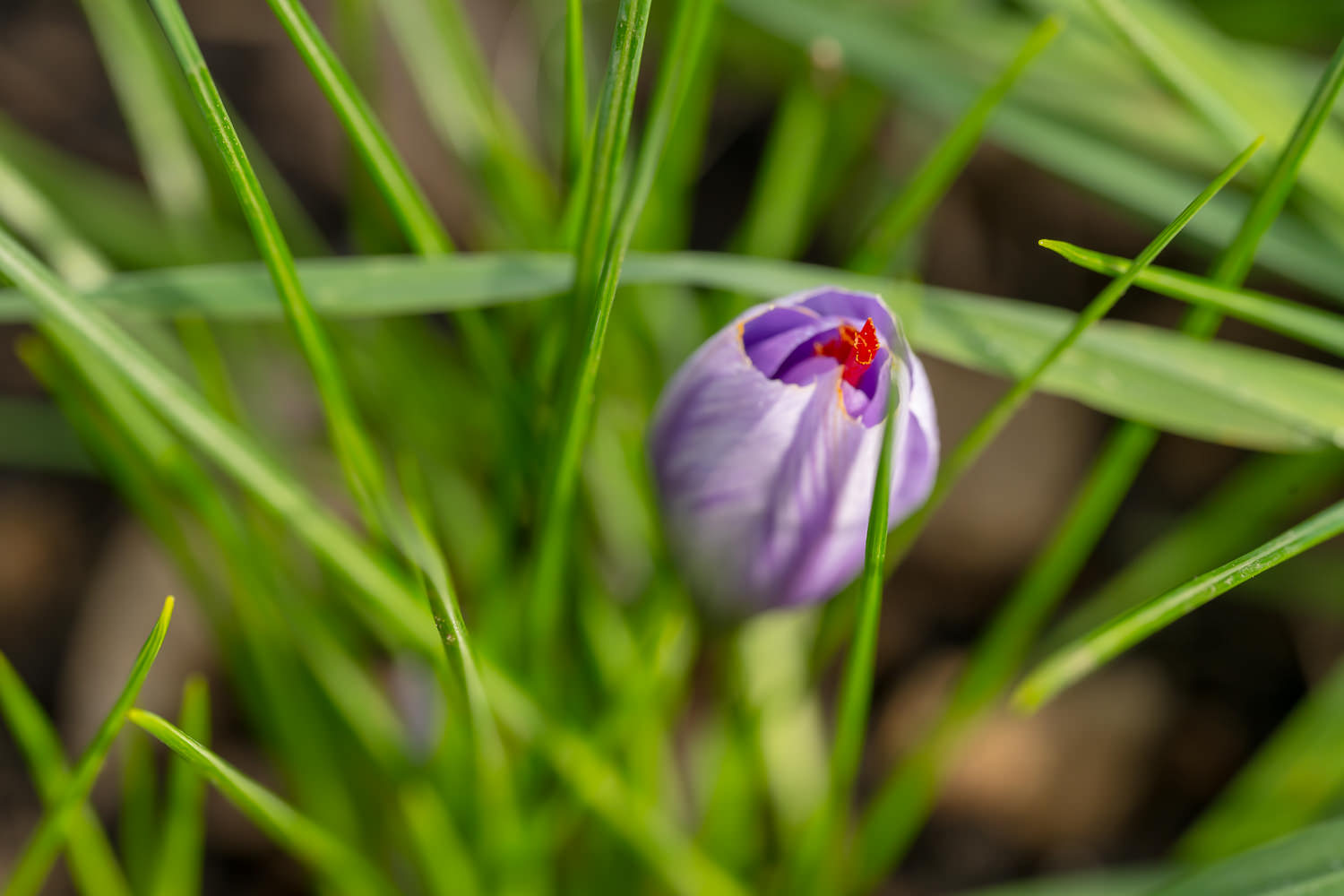
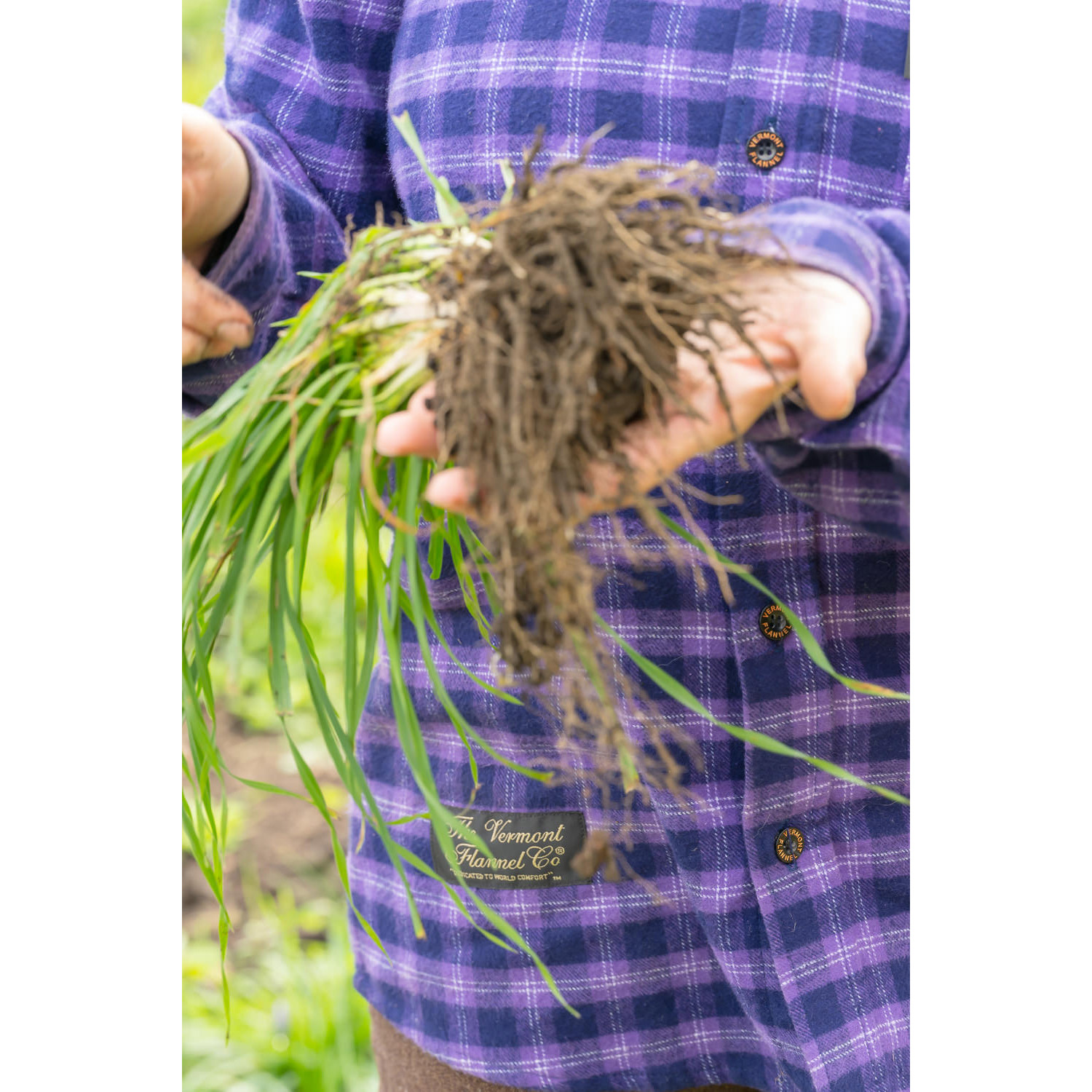
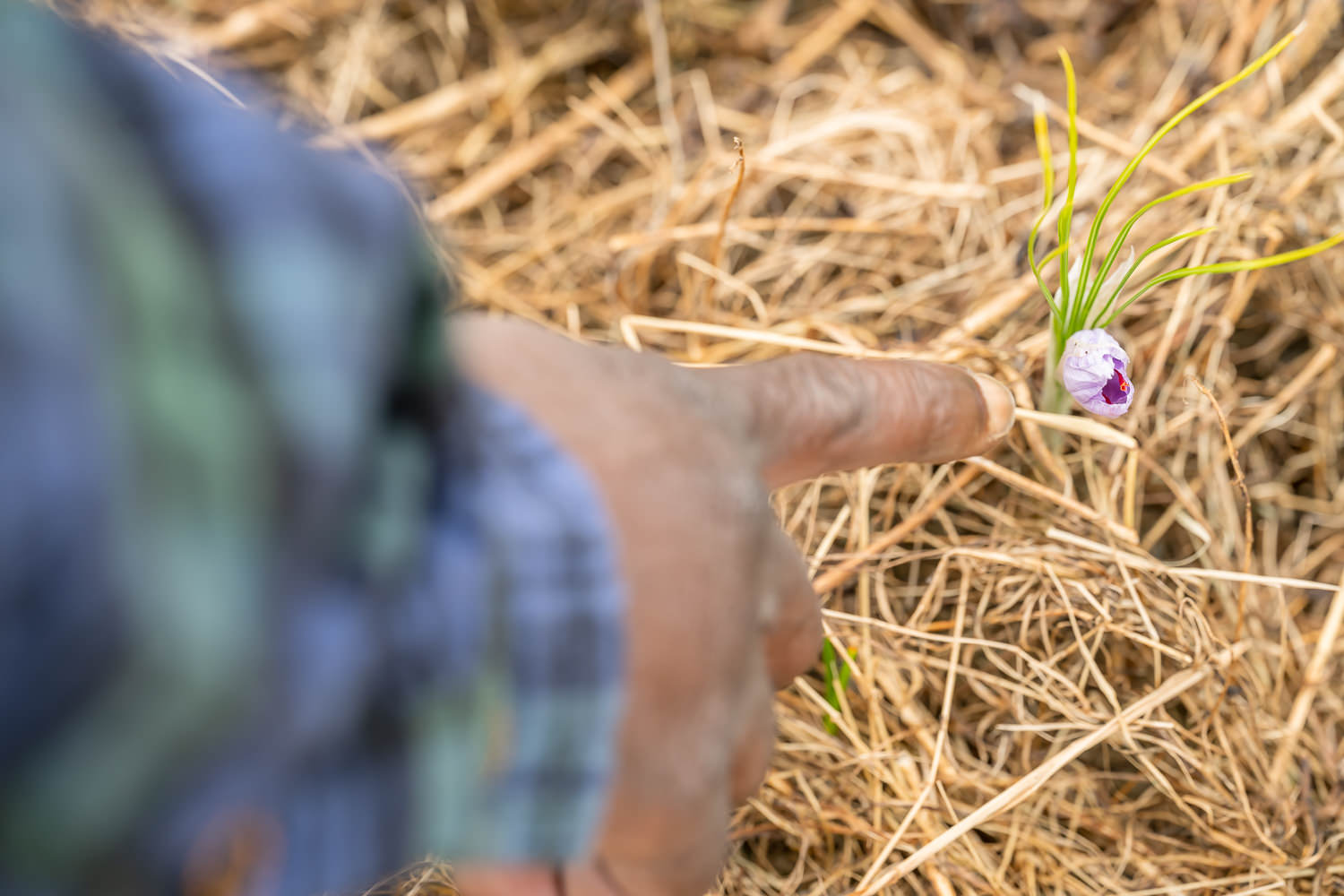
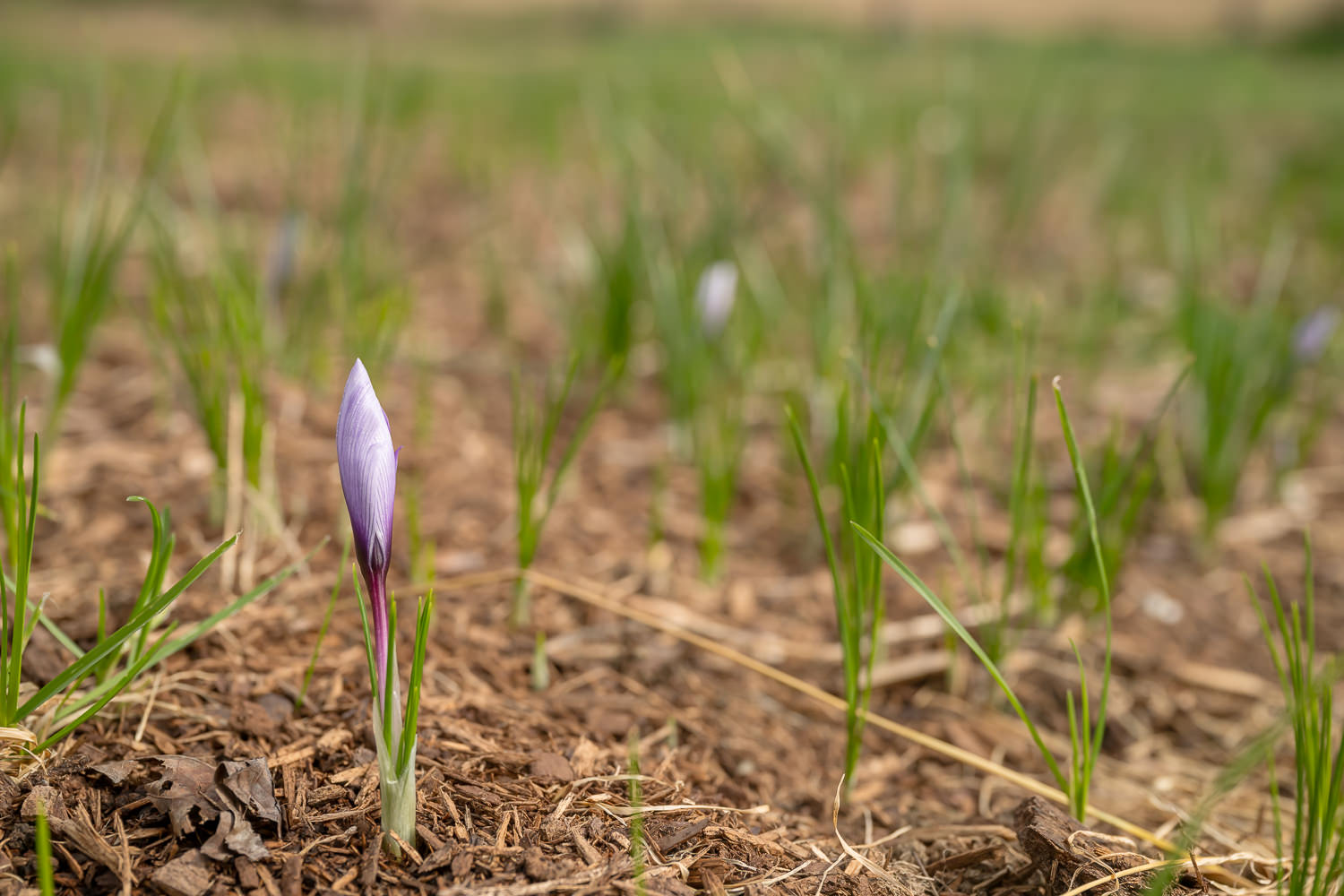
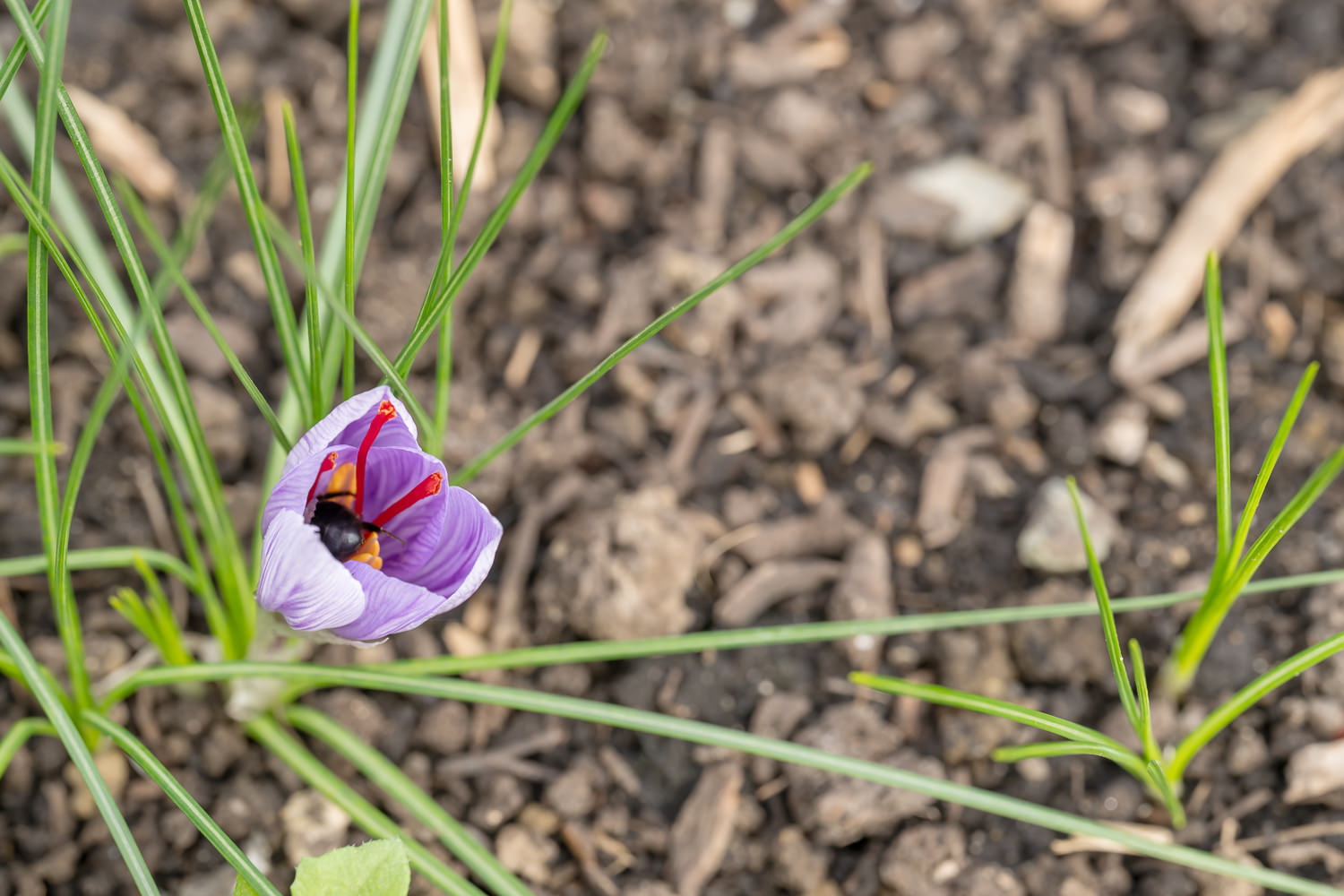
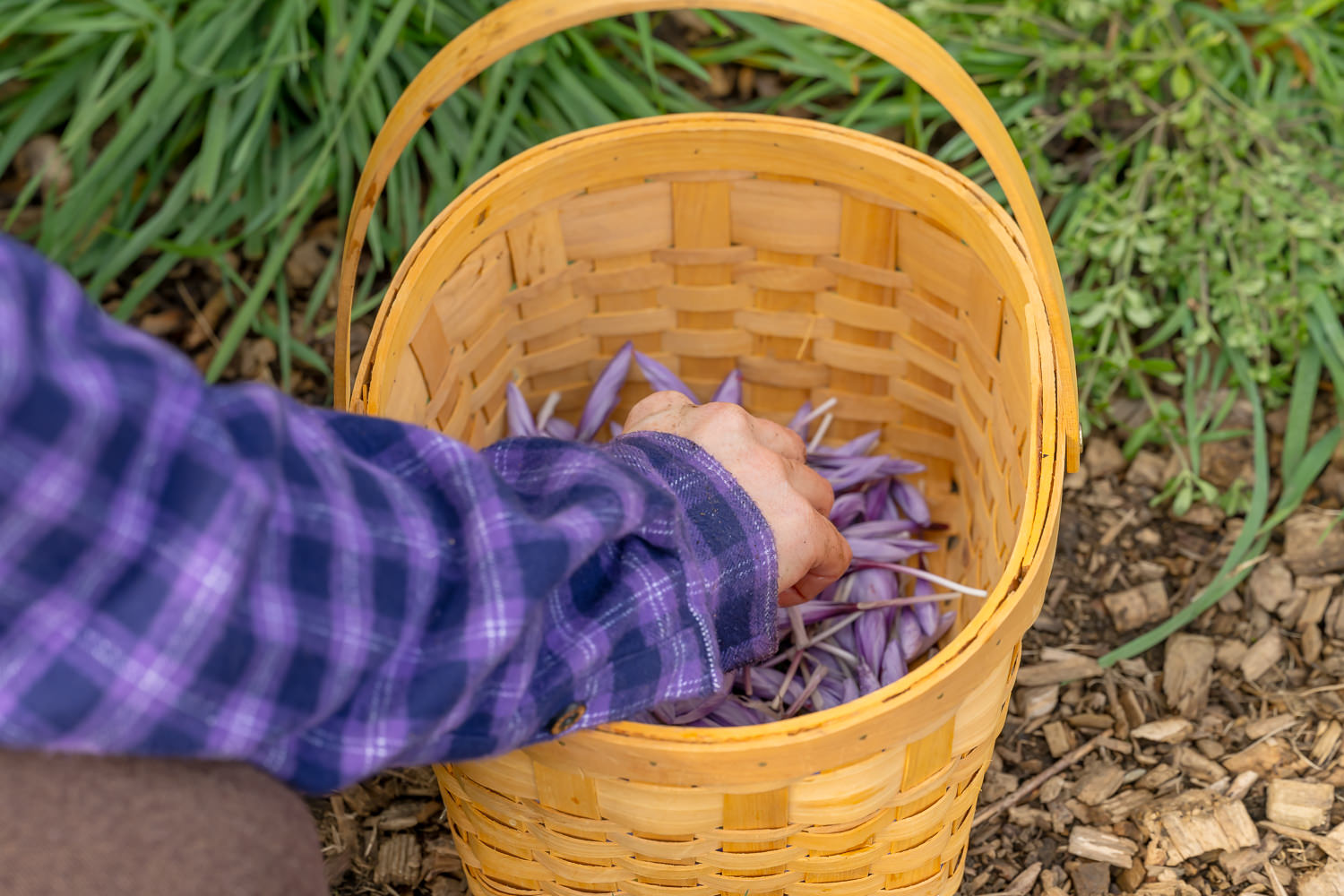
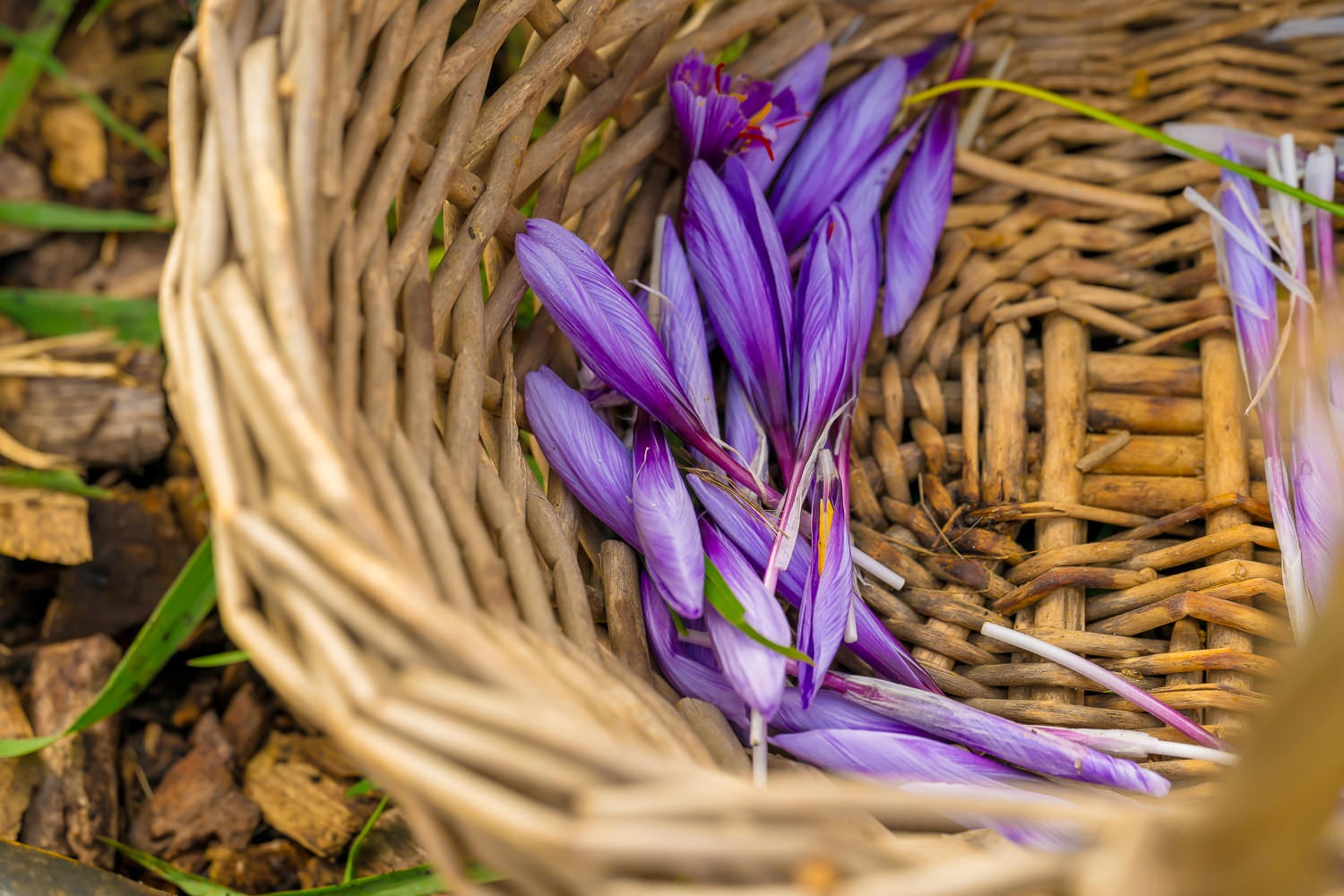
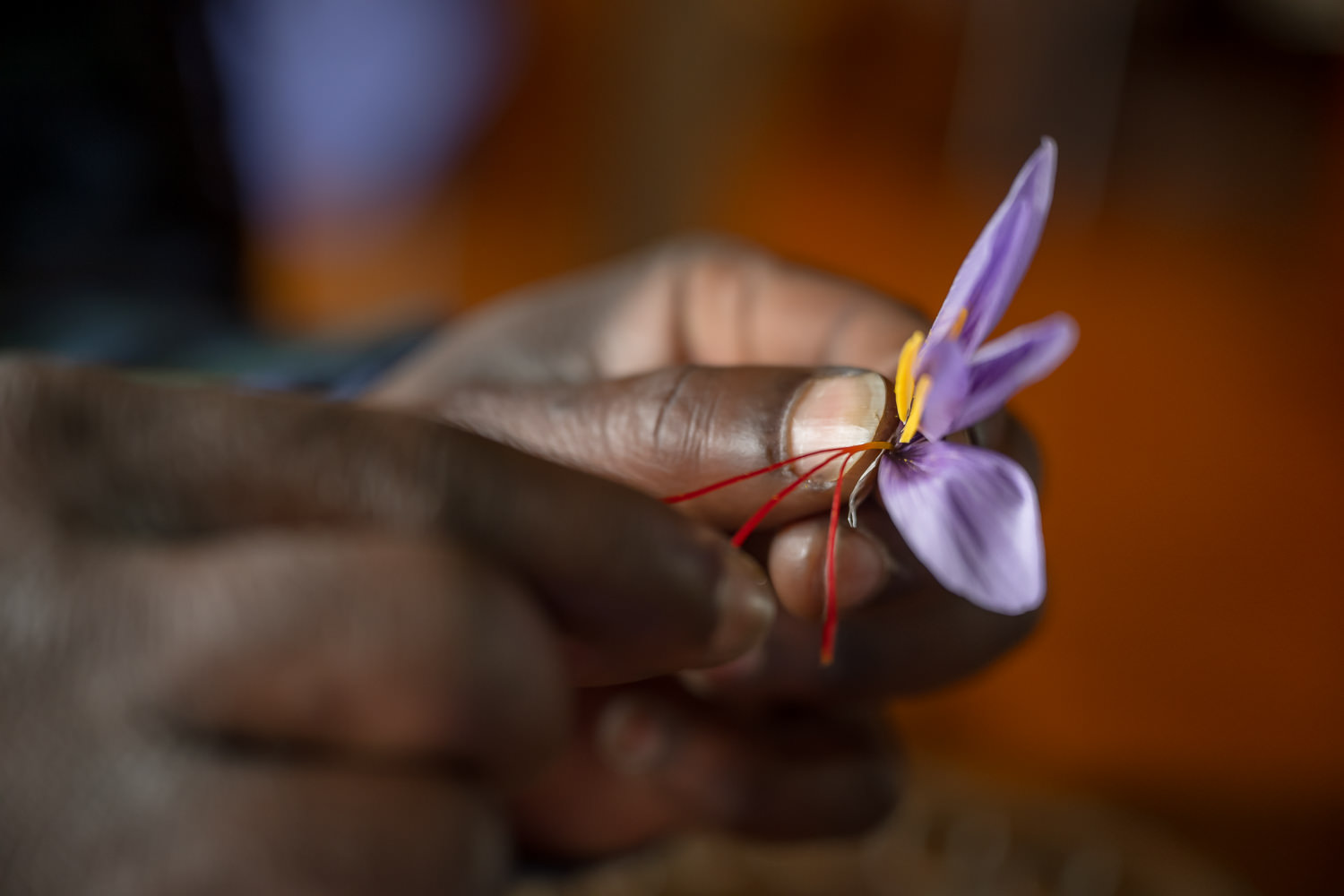
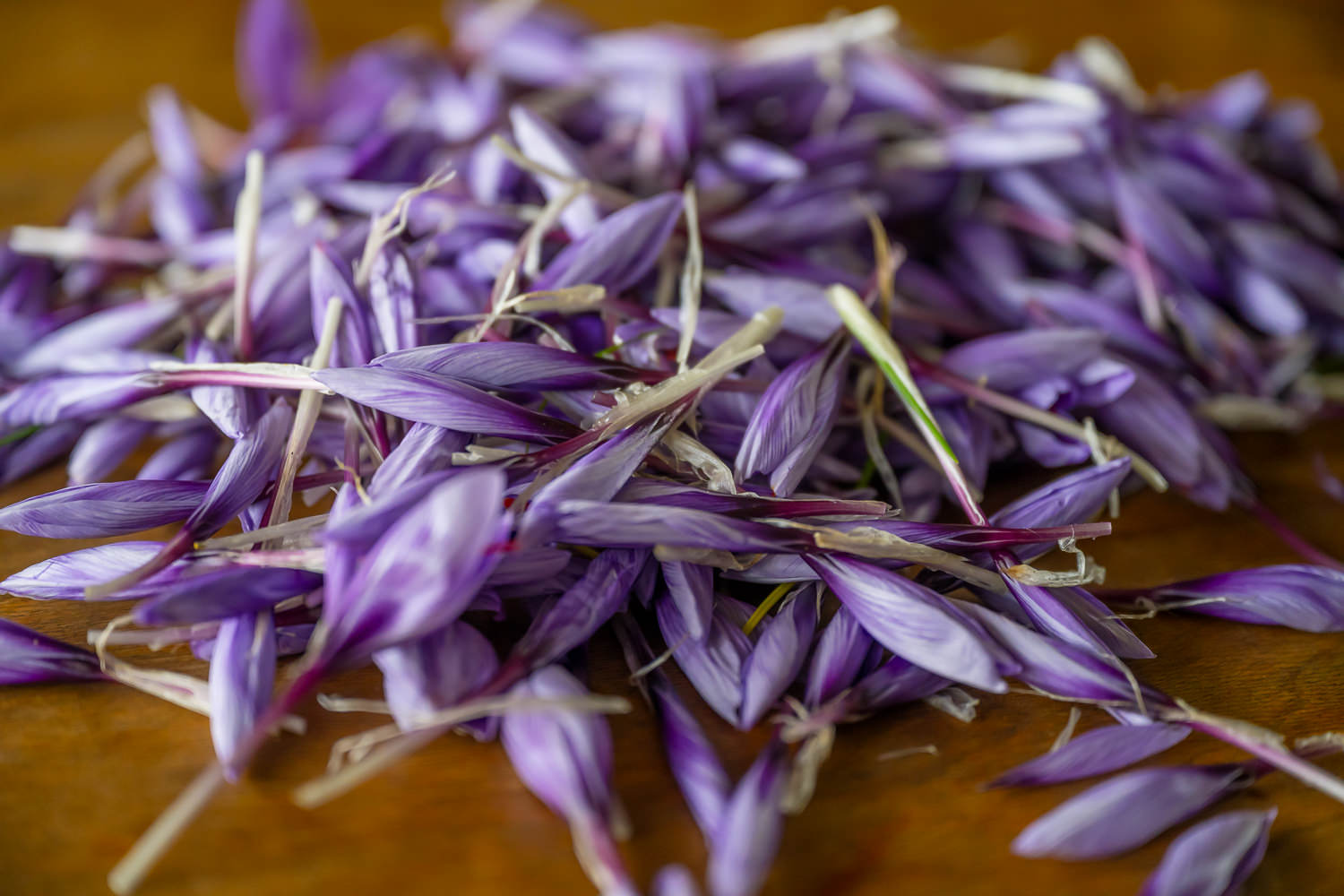
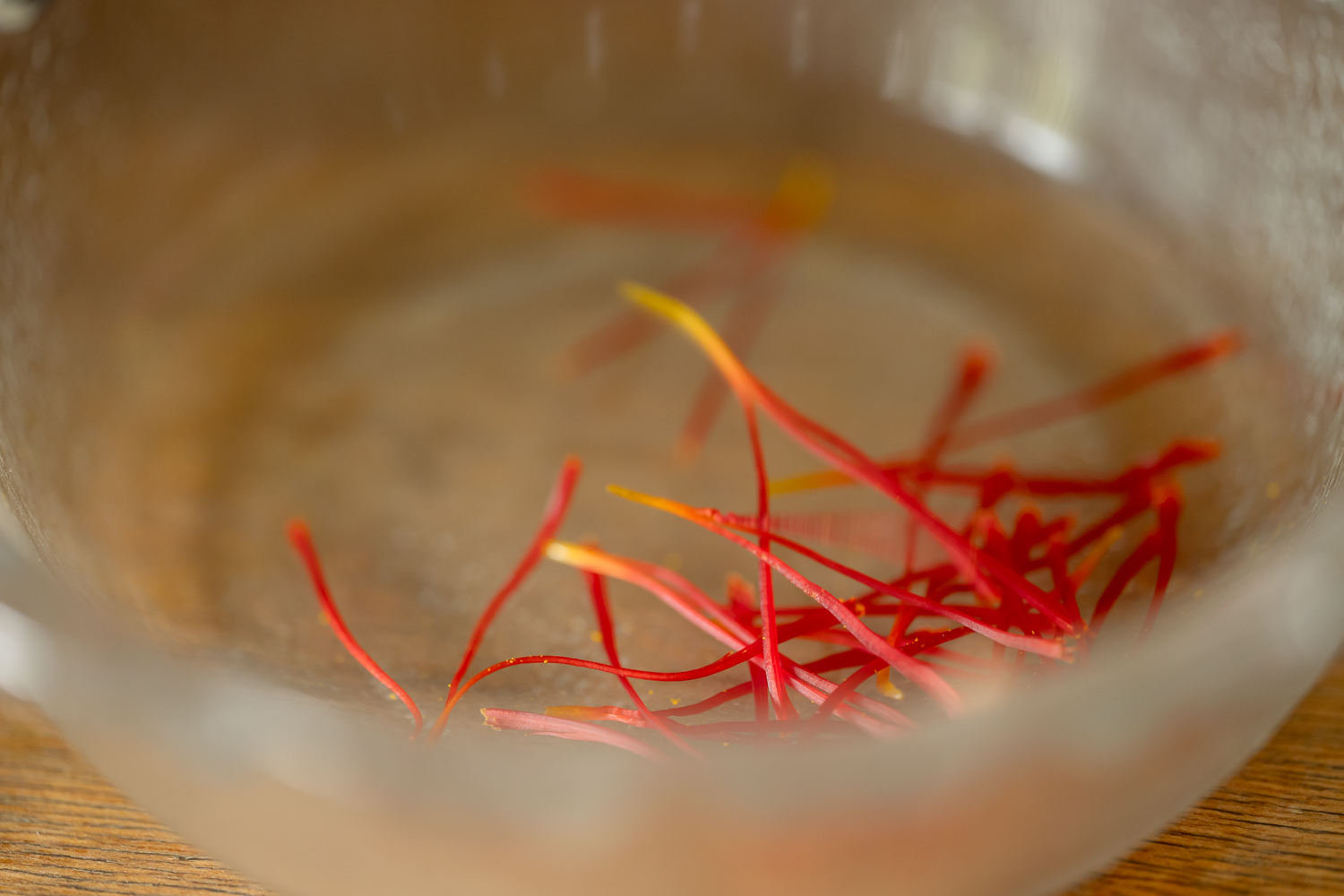
What makes the spice so expensive is the difficulty (or craziness, as Mandl-Abramson has it) of harvesting its plants. Its reproduction relies on human assistance: clusters of corms, underground, bulb-like, starch-storing organs, must be dug up, divided, and replanted. A corm survives for one season, producing via vegetative division up to ten "cormlets" that can grow into new plants in the next season. Then, each October, after most other flowering plants have released their seeds, the brilliant, violet-hued saffron flowers develop. Each flower must be meticulously picked, the target being its thin stigma (often called a “thread” because of its size). It takes some 440,000 hand-picked saffron stigmas to make a single kilogram of saffron. An estimated 40 hours of labor are needed to pick 150,000 flowers.
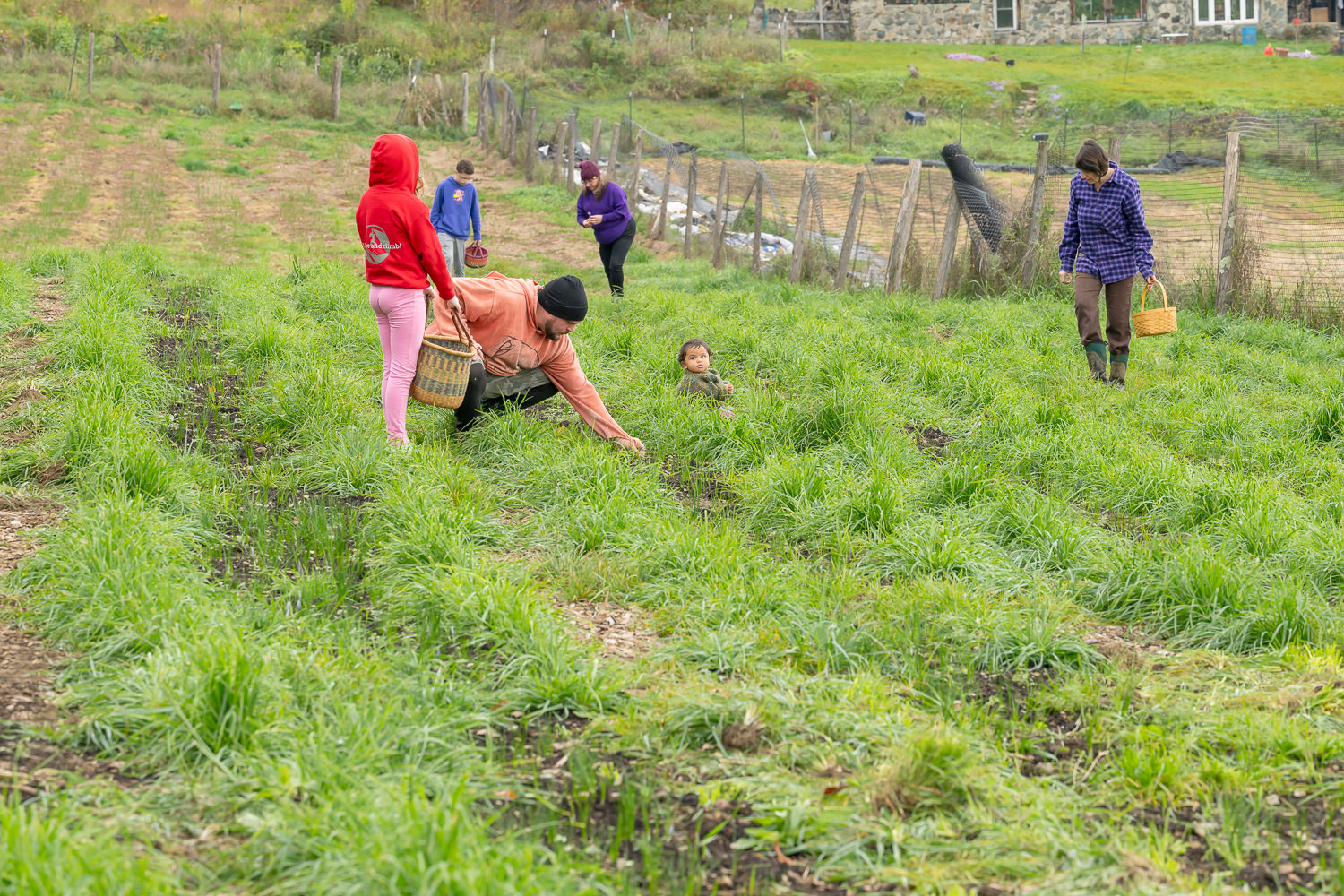
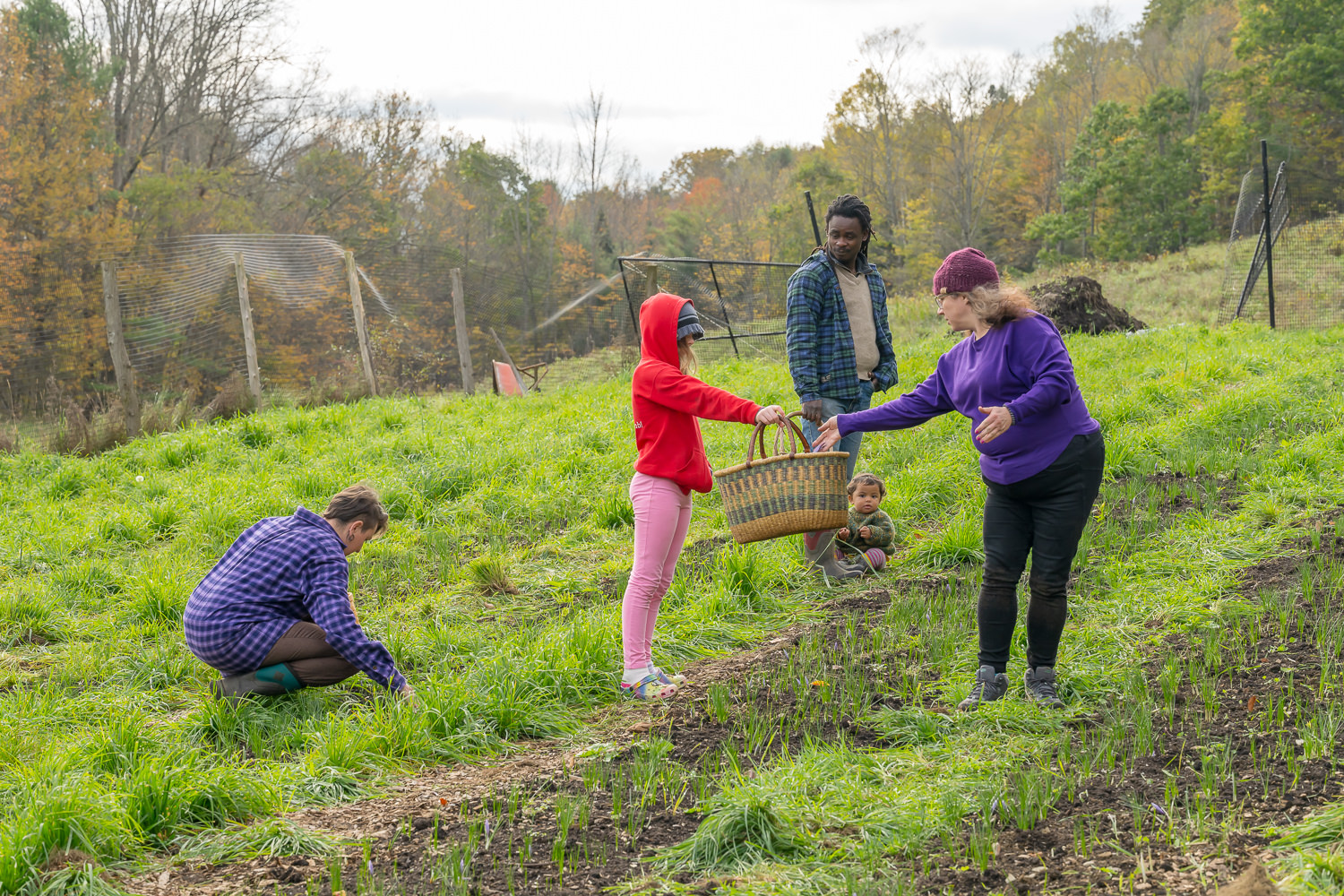
“We’ll probably have between seven and 15 people here picking,” Mandl-Abramson said.
“It needs to be cold at night and warm in the day,” Chery added. “And the flower opens as soon as the sun is at its peak.”
And each flower only opens for one day, and must be picked immediately, or else it will go bad. It frequently happens, Chery said, that you work your way down one row of plants and by the time you are at the end, there are newly-opened flowers at the start of the row.
But the biggest problem the couple was coping with in August was weeds. In Iran, saffron plants are cultivated in the high desert, where, Chery said, there is about 2.5% organic matter in the soil, so the saffron plants have no competition. Here, Vermont’s soil – rich in organic matter – brings weeds that compete with the saffron bulbs for photosynthesis. It is therefore common for non-Iranian saffron makers to grow their plants in greenhouses.
But at Calabash, their two acres are open to the elements. So the couple covered one of their field’s row crops in plastic to cut down on weed growth (because pesticides are obviously out as theirs is an entirely organic operation).
“What we'd like to do,” Mandl-Abramson said, “is we'd like to be able to maybe cold-sow a cover crop, so that it will be like seeding itself in and germinating by the time that all the snow melts, so that we can get ahead of the weeds, then mow it down in September, so that we're sequestering carbon all summer long, so that we're building liquid carbon pathways and building soil and mitigating erosion, all at the same time. And then mow it down, which would create a green cover for the saffron to sprout through – a green mulch, but also, so it's suppressing other weeds that might want to sprout. And also over winter, creating more organic matter in the soil.”
* * *
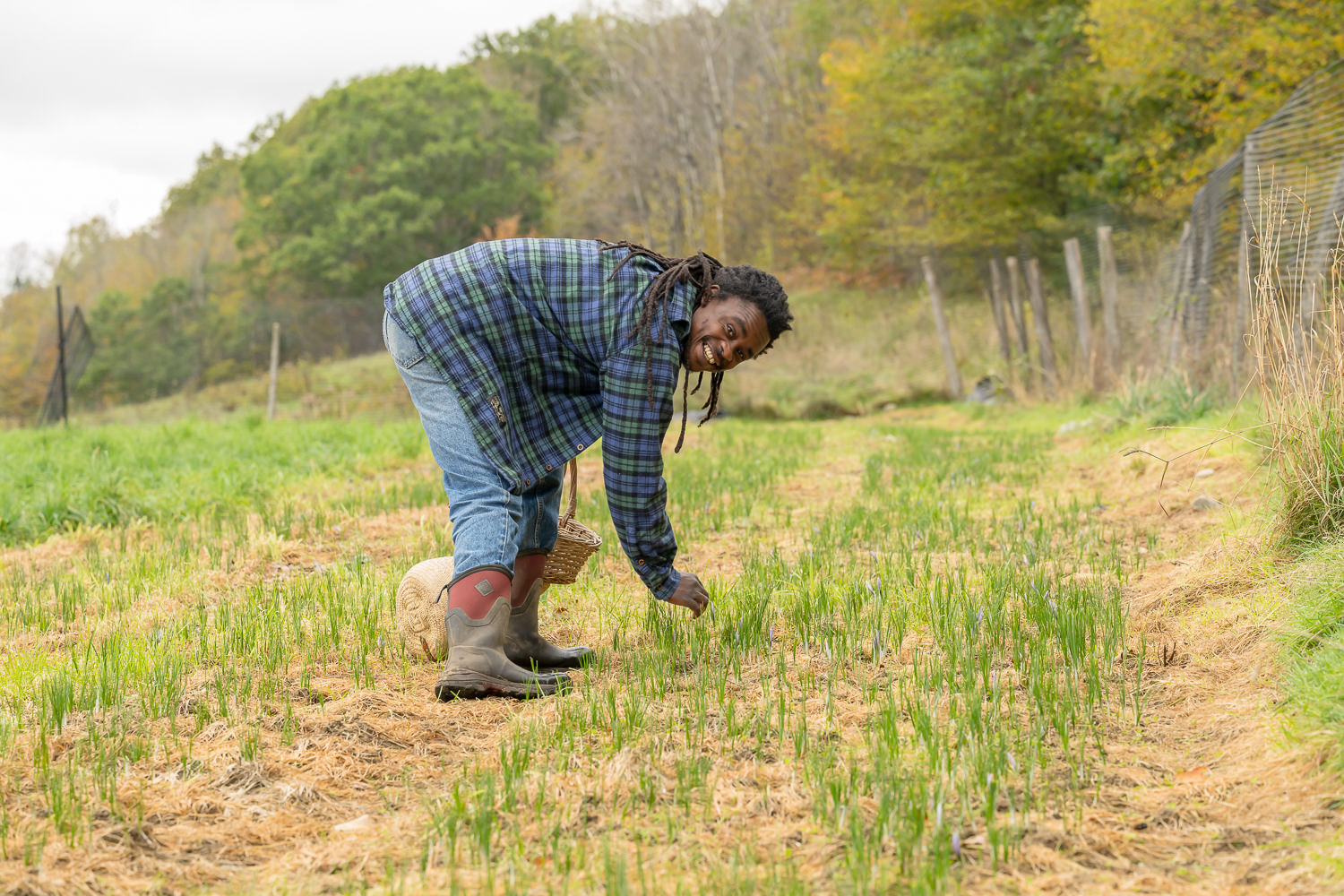
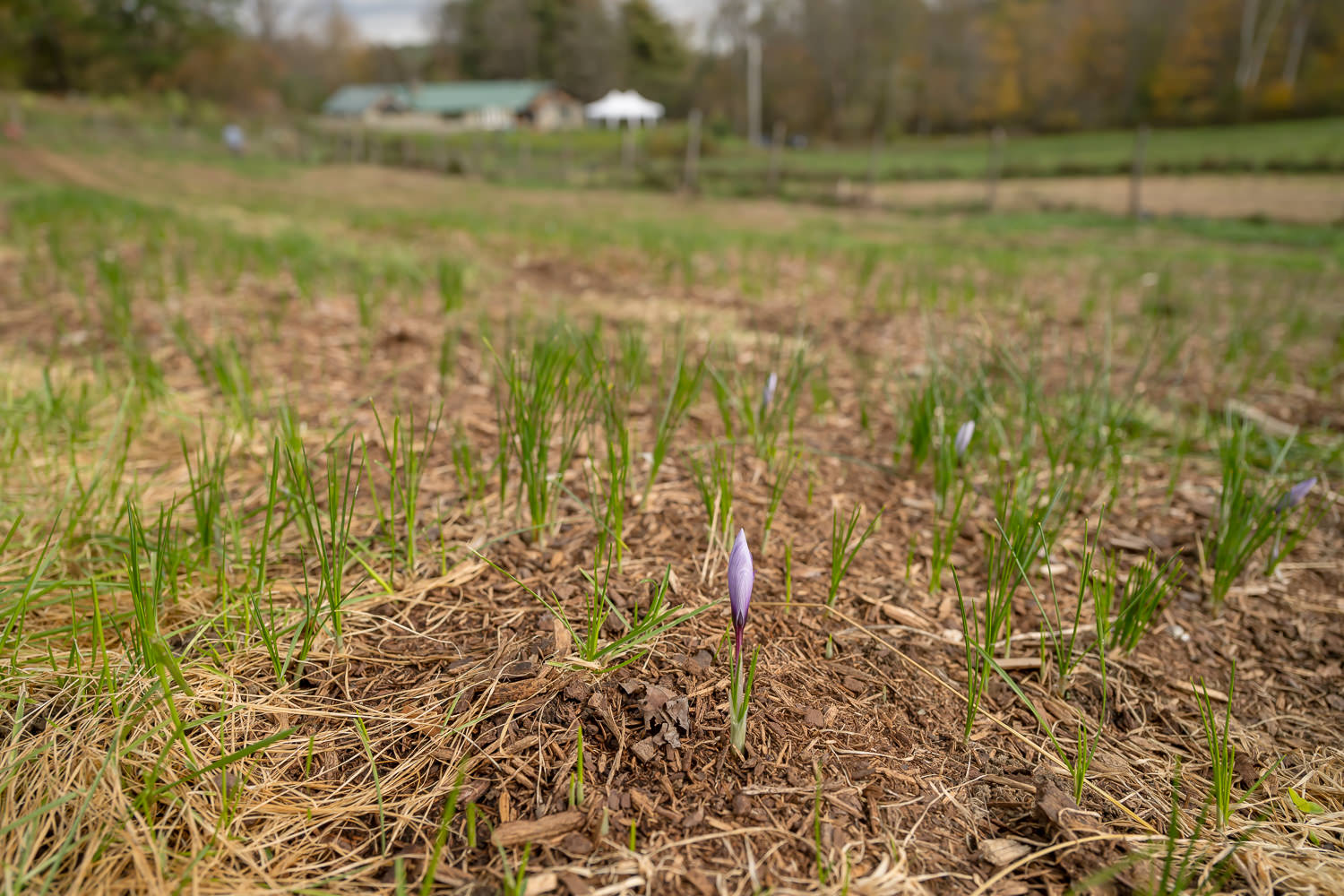
On a chilly October morning (perfect flannel weather), we were back in the fields, waiting for the morning sun to peak through the grey, autumnal sky and warm the rows of saffron plants. The peak of harvest of harvest time was still a few days off, as was the craziness. The fields felt ripe, impatient, ready…
Sometimes making involves a lot of waiting…
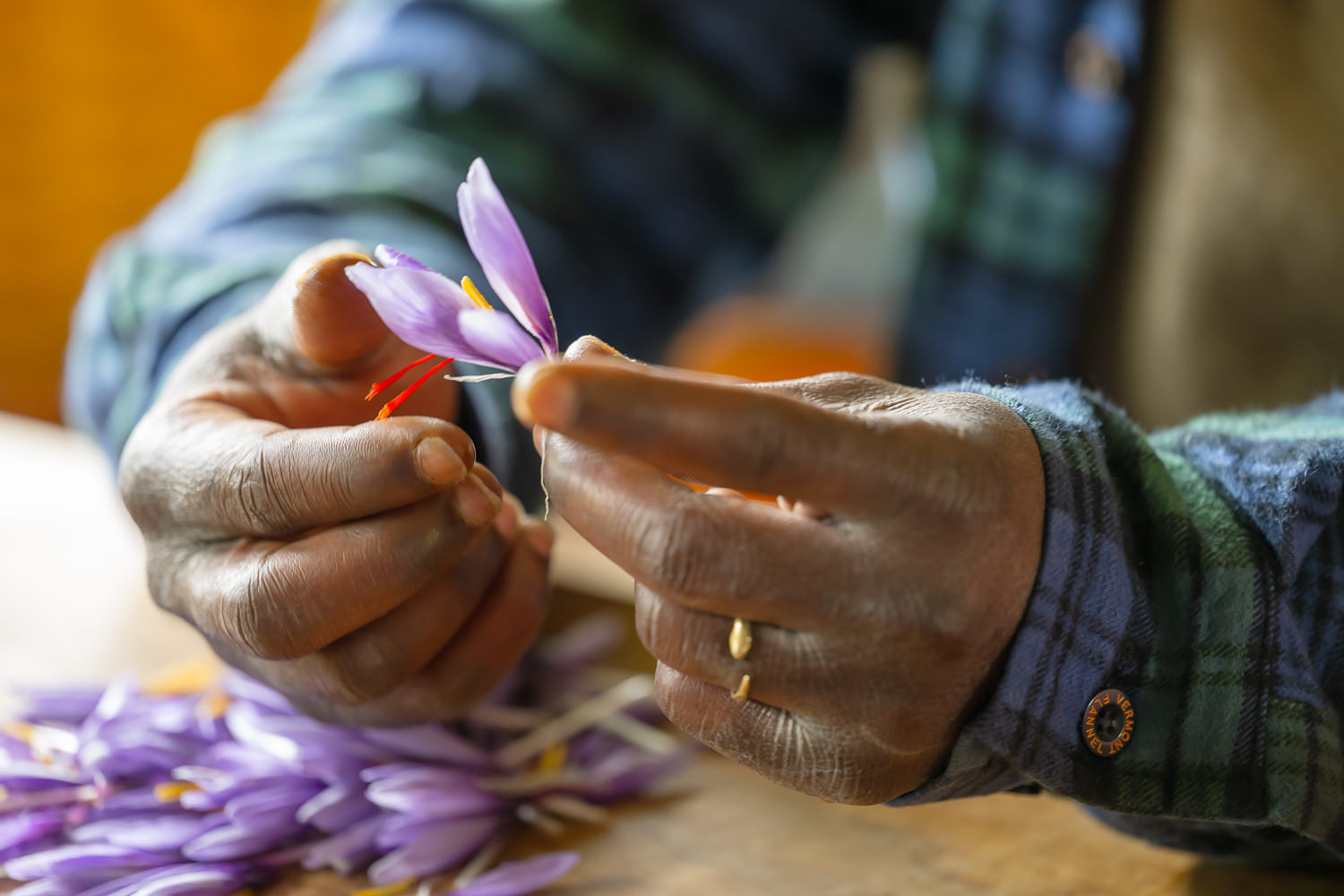
Over the course of a few hours, a few plants slowly opened, expanding their violet petals and exposing their rich, red stigmas. Volunteers, there to help with the harvest, called out when they found opening plants to serve as models for our photo shoot. After enough opened for a mini harvest, we went inside, where Zaka and some friends demonstrated the meticulous extraction process with steady, dextrous hands.
Over the next few weeks, he and the others would repeat those motions tens of thousands of times, chatting around the table, piling up the fruits from a year of waiting.